
Gold Prices Crash By 2800 Rupees And Silver Plummets By 5000 Rupees In Delhi As Experts Warn It Will Decline Further
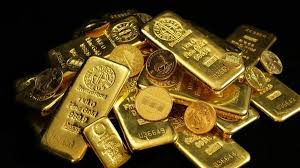
The domestic bullion market in the national capital experienced a massive financial shock on Thursday as precious metal prices recorded one of their steepest single day declines in recent months. According to the official statement released by the All India Sarafa Association, gold of 99.9 percent purity plummeted by 2800 rupees to settle at 145300 rupees per 10 grams, down from its previous closing level of 148100 rupees. The sudden downward spiral was not limited to the yellow metal alone, as industrial silver also faced intense selling pressure, dropping by a staggering 5000 rupees to close at 226000 rupees per kilogram compared to its preceding session finish of 231000 rupees. This dramatic price correction referenced in image_51f859.png sent shockwaves through major retail hubs across New Delhi, including Chandni Chowk and Karol Bagh, where jewelry merchants and retail investors had been enjoying months of continuous price appreciation. The sharp plunge has completely halted the recent bullish momentum, leaving buyers and market analysts wondering whether this marks the beginning of a prolonged downward trend or just a temporary correction in a volatile economic season. Prominent market traders and technical analysts are already warning retail buyers that the downward pressure is growing stronger and the asset class will decline further over the coming weeks as institutional offloading shows no immediate signs of stopping.
The primary drivers behind this sudden market collapse are deeply rooted in changing global macroeconomic factors and a powerful rally in international financial networks. In overseas markets, spot gold prices slipped by 21.15 dollars, representing a decline of 0.53 percent, to reach 3978.06 dollars per ounce, while international silver values decreased by 0.56 percent to settle at 57.10 dollars per ounce. Financial specialists point out that a rapidly strengthening United States dollar index, which breached major threshold levels to hit its highest point since May 2025, has placed immense pressure on all dollar denominated commodities. This development was further aggravated by a broader liquidity crunch triggered by widespread profit booking and sharp sell offs in global artificial intelligence and technology equities. As international hedge funds and large scale institutional investors faced mounting margin calls in western stock markets, they began aggressively liquidating their highly liquid precious metal holdings to generate immediate cash reserves, resulting in a rare market scenario where both traditional stock portfolios and safe haven assets fell simultaneously, raising fears that valuations will decline further as global economic adjustments continue.
Looking closely at this market behavior, the extreme vulnerability of the domestic jewelry sector to external international shocks highlights a significant structural imbalance that regional buyers often overlook. India imports more than 85 percent of its annual bullion requirements, meaning that local pricing structures are heavily dependent on global currency fluctuations and overseas trading sentiments rather than actual consumer demand within the country. The fact that this 2800 rupee crash occurred during a period of otherwise steady domestic economic growth proves that local retail purchasers are frequently at the mercy of international automated trading algorithms and foreign central bank policies. This situation challenges the traditional mindset of retail consumers who historically viewed physical gold as a completely stable, low risk investment vehicle capable of resisting global financial downturns. When massive equity corrections trigger synchronized liquidations across the globe, precious metals lose their defensive characteristics, exposing ordinary families who bought jewelry at historic peaks to sudden and substantial capital erosion, a situation that could get worse if internal asset prices will decline further as expected.
To navigate this highly fluid financial environment, market participants must closely track upcoming regulatory announcements from the United States Federal Reserve, particularly regarding core personal consumption expenditures and gross domestic product metrics. If international inflationary pressures persist, central banks are highly likely to maintain higher interest rates for an extended duration, which will naturally drive capital away from non yielding assets like bullion and into interest bearing government bonds, confirming fears that market values will decline further in the mid term. Local jewelry associations are advising retail consumers to adopt a cautious, staggered buying strategy instead of making large capital allocations while prices are searching for a definitive stable floor. In the coming weeks, the reduction in retail footfall across prominent northern Indian bullion hubs is expected to squeeze the profit margins of small scale artisans and independent jewelry houses who are currently holding expensive inventory. Ultimately, this monumental price correction serves as a powerful reminder that the modern commodities market is entirely interconnected with global technology and currency networks, requiring domestic investors to break away from traditional assumptions and adapt to an increasingly unpredictable financial landscape.