
How Eknath Shinde Cheated Marathi Manush To Score Big As Six Uddhav Sena MPs Turn Rebel ?
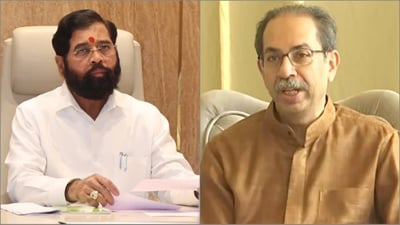
The political battleground of Maharashtra has entered a highly chaotic phase as a massive wave of defections threatens to permanently alter the balance of power in New Delhi. Code named Operation Tiger by the ruling establishment, this political maneuvering has resulted in 6 out of 9 Lok Sabha members from the Uddhav Thackeray led Shiv Sena UBT moving to form a separate group in Parliament. For Eknath Shinde, securing these numbers represents a massive strategic victory that significantly inflates his leverage within the National Democratic Alliance. By engineering this latest split, he has effectively demonstrated his capability to systematically dismantle the opposition camp right ahead of key legislative sessions. This structural shift provides the central ruling coalition with a much-needed numerical cushion in the Lok Sabha, elevating the local regional group from a minor partner into an unshakeable powerhouse that can confidently dictate terms during critical policy negotiations.
However beneath the surface of these high profile corporate style defections lies a deep and brewing resentment among the local population. A significant section of political observers and grassroots loyalists strongly argue that through these repetitive political coups, Eknath Shinde cheated Marathi manush who had voted for stability and regional pride. The original mandate given by the voters was rooted in a distinct cultural identity, yet the continuous fragmentation of the party for individual position has left the common citizen feeling deeply betrayed. By prioritizing personal survival and corporate alignment over the fundamental aspirations of the local populace, the current leadership has created a perception that the real interests of the state are being bartered away for political rewards in the national capital. This sense of betrayal is intensified by the fact that the lawmakers who are jumping ship were elected entirely on the emotional appeal of the Thackeray legacy, making their sudden exit look like a pure breach of public trust.
From an analytical standpoint, the operational execution of this split exposes the extreme vulnerability of modern party structures when faced with intense state and financial pressures. Opposition leaders like Sanjay Raut have openly alleged that enormous financial incentives reaching up to 50 crore rupees were utilized to clear the path for these rebel lawmakers. The rapid deployment of private chartered flights from cities like Nanded and Pune to ferry these elected representatives to secret meetings in Delhi highlights how institutional processes can be bypassed overnight. While the Shinde camp frames this rebellion as a necessary rescue mission to save the original ideology of Balasaheb Thackeray from the influence of the Congress party, the mechanical nature of the defection points to a highly synchronized top-down execution. By pushing the number of defectors to exactly 6, the architects skillfully touched the 2/3 majority mark required to legally evade the immediate traps of the Tenth Schedule, proving that mathematical precision has completely replaced ideological conviction in state governance.
Ultimately this fresh political crisis leaves the Uddhav Thackeray camp facing a severe existential threat while providing its rivals with a temporary moment of absolute dominance. Even as group leader Arvind Sawant rushed to submit a formal caveat to Lok Sabha Speaker Om Birla to block separate recognition, the structural damage within the rank and file has already been done. This continuous internal bleeding shows that emotional rhetoric alone is no longer sufficient to hold a parliamentary block together against a highly aggressive state machine. As Maharashtra moves closer to its next major regional election cycle, the long-term impact of how Eknath Shinde cheated Marathi manush will be tested on the ground. While the newly acquired numbers provide immediate political glory in New Delhi, the deep underlying public anger over repeated horse trading could trigger a severe backlash when the common voter finally gets a chance to cast their ballot.