
Operation Tiger By Eknath Shinde Hits Major Block As Two Maharashtra MPs Refuse To Sign Defection Letter
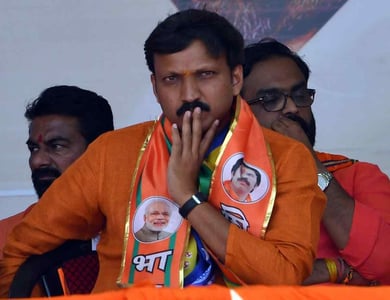
The high stakes arena of Maharashtra politics witnessed a dramatic twist as a meticulously planned strategy code named Operation Tiger by Eknath Shinde suddenly hit a massive concrete wall. The operation aimed to engineer a clean split within the Uddhav Thackeray led Shiv Sena UBT by convincing 6 of its 9 Lok Sabha members to break away and join hands with the ruling faction. However the entire blueprint fell apart at the final hour when 2 key parliamentarians refused to put their signatures on the official defection documents. Under the strict anti defection laws in India a breakaway group requires at least a 2/3 majority to avoid immediate disqualification. For the rival camp securing exactly 6 out of 9 members was the magic threshold needed to claim a legally sustainable group in Parliament but the sudden decision of these 2 lawmakers left the planners 4 signatures short of a bulletproof legal exit.
The internal friction came to light right after a critical parliamentary board meeting where the Uddhav Thackeray camp issued strict instructions for compulsory attendance. Sources confirm that the 2 parliamentarians who pulled back from the brink of jumping ship are Omraje Nimbalkar and Sanjay Dina Patil. While intense political speculation had initially placed them in the rebel camp their final decision to stay back completely froze the execution of the political coup. Interestingly senior leaders from the Thackeray camp pointed out that massive pressure tactics were being applied to bend these lawmakers. For instance it was highlighted that Omraje Nimbalkar has been under intense stress regarding an upcoming court verdict on June 20 2026 related to the old assassination case of his father Pawanraje Nimbalkar. Loyalists allege that legal outcomes and heavy financial offers touching up to 50 crore rupees were floating around to force the hand of these lawmakers.
A deeper look into this political deadlock reveals that while political maneuvering can gather numbers on paper passing the ultimate constitutional test remains incredibly complex. By failing to secure the full 6 signatures the rebel architects realized that moving forward would be a risky mission. If the 4 willing rebel MPs had approached the Lok Sabha Speaker Om Birla without the remaining 2 they would have faced instant disqualification under the Tenth Schedule of the Constitution. Recognizing this grave danger the Thackeray faction quickly went on the offensive. Group leader Arvind Sawant rushed a formal caveat letter to the Speaker requesting a complete freeze on any separate recognition without giving the original party a fair hearing. This preemptive legal strike combined with the sudden structural deficit created by the 2 holdouts shows that merely organizing secret meetings in Delhi or flying leaders in private jets cannot easily bypass established parliamentary frameworks.
In perspective this dramatic development surrounding Operation Tiger illustrates the endless war for the true legacy of Balasaheb Thackeray. Even though the rebel camp claims that several lawmakers are deeply uncomfortable with the political positioning of the Thackeray faction translating internal ideological friction into a lawful split is a completely different ball game. The operational failure highlights a significant systemic vulnerability where dependency on every single individual lawmaker becomes a weak link. As the state moves closer to its next major electoral cycle this frozen operation leaves the planners temporarily wounded in their attempt to clean sweep the opposition numbers in New Delhi while giving the Thackeray camp a brief moment to stabilize its ranks and issue disciplinary notices to the fence sitters.