
How the Beautiful Story of a Remote Japanese Train Station Kept Open for a Single Schoolgirl Changed Rural Aviation and Transit Policies
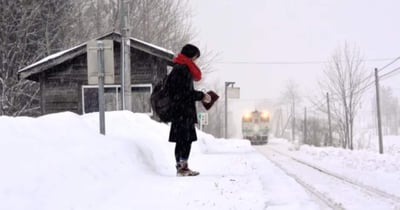
The intersection of corporate public infrastructure and rural community welfare created one of the most legendary transport stories in modern history. For years Japan northernmost main island of Hokkaido captured international headlines for a beautifully compassionate operational decision made along the rural Sekihoku Main Line. Japan Railways officially decided to delay the permanent closure of Kyu Shirataki station a historic and severely underutilized wooden train stop located in an isolated neighborhood of only 36 residents. While standard economic performance metrics demanded that the highly unprofitable transit point be dismantled immediately corporate executives adjusted their entire operational schedule to serve a singular regular passenger. An ordinary high school student named Kana Harada relied on the morning train to travel safely to her classes at Hokkaido Engaru High School making the platform her exclusive gateway to education.
The functional logistics of this extraordinary arrangement were tailored perfectly to the academic calendar of the local high school. Every single school day for 3 consecutive years the morning train arrived precisely at 7:15 am to pick up the lone passenger allowing her to reach her morning lectures on time. In the evening the train returned to drop her off safely at her doorstep providing a vital lifeline in a mountainous region where harsh winter blizzards frequently drop temperatures well below freezing. When the global news broke regional train enthusiasts and international journalists flooded the tiny platform to witness the historic dynamic firsthand. The dedicated service officially concluded on March 25 2016 when Harada formally graduated from her high school program. To mark the final chapter of its 69 years of historic operations local residents set up a memorial tent at the platform handing out warm sweet potatoes and fresh milk to passengers as the final train pulled away forever.
A modern review of this phenomenon reveals a complex tension between heartwarming public folklore and strict corporate financial realities. While global viral media romanticized the incident as an intentional act of pure altruistic sacrifice internal railway audits suggest the timeline was also highly convenient for corporate tax restructuring cycles. Japan Railways routinely schedules major system-wide timetable updates and asset liquidations to match the official end of the fiscal year which naturally concludes in March. Furthermore the viral internet narrative frequently misidentified the specific location as Kami Shirataki station which actually holds a national record for having only 2 operational trains pass through per day. However reducing this beautiful occurrence to a mere bureaucratic coincidence misses the broader cultural importance of the event. The intense social media attention forced major public utility operators across Asia to realize that public transit networks must exist to serve human development rather than focusing exclusively on short term profit maximization.
To successfully combat the current demographic challenges facing rural communities global transport authorities must study this model to design flexible low cost community infrastructure. Japan is currently experiencing an unprecedented population decline where more than 10 percent of rural towns face complete economic abandonment as younger generations migrate toward mega cities like Tokyo and Osaka. By showing a willingness to absorb operational losses for individual students public transport providers preserve the basic constitutional right to education for marginalized rural youth. The legacy of the Shirataki station series continues to inspire modern transit planners to implement demand responsive minibus fleets and digital ride sharing networks to replace rigid multi-ton train lines. Safeguarding the future of our youth requires localized human centric solutions and this iconic Japanese train journey proves that the true value of a public utility is measured by its social impact rather than its commercial balance sheet.