
India and China Move Toward Peaceful Ties As Top Security Officials Meet In Delhi
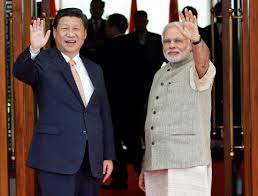
The complex diplomatic dynamic between Asia’s 2 largest nations took a significant step forward on June 22 2026 when top officials from India and China held highly anticipated bilateral discussions in New Delhi. Indian National Security Adviser Ajit Doval met with Chinese Foreign Minister Wang Yi on the sidelines of the BRICS National Security Advisers conclave hosted by India. According to official communications released by the Ministry of External Affairs, the dialogue was constructive and forward-looking, with both sides reviewing recent developments and noting steady progress toward the gradual normalisation of their bilateral relations. This high-level interaction marks a continuation of deliberate diplomatic efforts to mend the deep rift created by severe border confrontations in 2020. Doval heavily emphasized during the session that stable, predictable, and constructive relations are completely essential for rebuilding mutual trust, which remains a key objective for both capitals as they navigate regional challenges.
To truly understand the weight of this meeting, one must look at the gradual shift that has been developing since late 2024 when a breakthrough border patrol agreement was first reached. The initial frost in relations had essentially frozen direct communication, blocked direct flights, and severely limited economic interactions for nearly 4 years. The current movement indicates that both New Delhi and Beijing have recognized that prolonged hostility yields diminishing returns, especially given their shared vulnerabilities to unpredictable global economic shifts and trade policies. India has recently relaxed some stringent investment regulations that previously targeted Chinese capital, signaling an opening for necessary supply chain cooperation. However, while the language used by diplomats in Delhi reflects a positive momentum, independent observers point out that the current engagement functions more as a pragmatic arrangement rather than a total strategic reset. The fundamental issues, including the precise demarcation of disputed border zones and a massive trade deficit that heavily favors China, remain unresolved underneath the polite diplomatic veneer.
The broader geopolitical environment has heavily influenced this transition, pushing both neighboring giants to seek a more manageable relationship. With international trade routes experiencing severe shocks and primary global markets shifting under protectionist economic agendas, both countries have strong incentives to stabilize their immediate neighborhoods. For India, maintaining a stable relationship with Beijing allows it to safeguard its manufacturing ambitions without the constant threat of a multi-front security crisis. For China, reducing friction with India prevents New Delhi from aligning too closely or too aggressively with western strategic alliances designed to isolate Beijing. This tactical accommodation was further highlighted by recent statements from the Chinese Ambassador to India, who acknowledged a visible transition from a fresh start to a new level of development. Yet, the persistent lack of deep institutional trust means that any minor tactical miscalculation along the mountainous border frontiers could easily dismantle the progress achieved by diplomats in a matter of hours.
As the political leadership of both countries looks toward upcoming international gatherings, the success of this dialogue will face immediate practical tests. The Delhi security meeting lays the essential groundwork for expected high-profile state visits, including the anticipated participation of Chinese President Xi Jinping at the full BRICS Summit scheduled for September 2026. The real measure of this diplomatic warming will depend on whether these high-level discussions translate into permanent mechanisms for border tranquility, the complete restoration of direct commercial flights, and a balanced trade framework. If both administrations can successfully manage their core sensitivities while expanding economic and cultural engagement, it could provide much-needed stability to the broader Asian continent. Conversely, if these meetings prove to be merely temporary exercises in damage control without addressing the core border disagreements, the relationship will remain vulnerable to sudden collapses. For now, India and China have chosen communication over confrontation, but the path toward true, long-term reconciliation remains incredibly fragile and incomplete.