
India Nears Big Ticket Submarine Deal With Germany
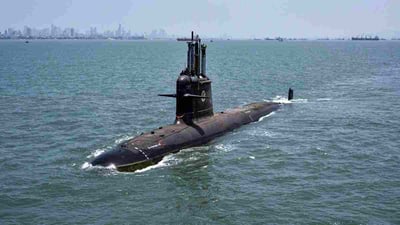
India is taking decisive steps toward finalizing one of its largest naval modernization programs to date. Under Project 75 India, the Ministry of Defence is advancing a proposal worth roughly seventy thousand crore rupees to acquire six next-generation conventional attack submarines. State-owned shipbuilder Mazagon Dock Shipbuilders Limited in Mumbai is set to construct the vessels in collaboration with German defense major ThyssenKrupp Marine Systems. High-level meetings and administrative approvals have paved the path for final evaluation by the Cabinet Committee on Security.
The project represents a crucial operational leap for the Indian Navy amid growing maritime surveillance requirements in the Indian Ocean region. The proposed fleet will be based on a modified variant of the HDW Class 214 design, equipped with proven Air-Independent Propulsion technology. This critical system allows diesel-electric submarines to stay submerged for up to three weeks at a time without needing to surface or snorkel to recharge batteries. By drastically reducing acoustic and visual detection risks, the technology ensures enhanced stealth and long-range endurance during underwater patrols.
A central pillar of the agreement revolves around joint manufacturing and meaningful transfer of technology. Under the proposed terms, the German technological partner will transfer design and construction expertise directly to the Indian shipyard. Indigenous content mandates require a minimum of forty-five percent localized components for the first submarine, scaling up to sixty percent by the sixth vessel built. This framework aligns directly with long-term national objectives to build a self-reliant domestic warship construction ecosystem.
The upcoming contract comes at a pivotal moment as older operational platforms within the naval fleet approach planned retirement. Once final security clearances are granted, delivery timelines mandate that the first submarine will join operational service within seven years, followed by subsequent deliveries at a steady rate of one vessel per year. Strategic planners view the rapid execution of this deal as essential for maintaining underwater parity, expanding deterrence capabilities, and securing key sea lines of communication.