
India UK Free Trade Deal Takes Effect Opening Millions in Zero Duty Exports for Indian Businesses
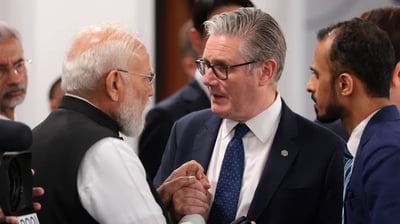
A historic transformation has officially begun for Indian exporters as the landmark Free Trade Agreement between India and the United Kingdom enters into force on Wednesday, July 15, 2026. Officially known as the Comprehensive Economic and Trade Agreement, this pact represents a major milestone in bilateral trade relations, opening the door for a wave of new commercial activity. Under the terms of the agreement, the UK is eliminating import duties on 99 percent of Indian goods immediately, creating a frictionless pathway into the lucrative British market. For years, Indian manufacturers have faced steep tariffs that made their products less competitive compared to rivals in neighboring developing nations. With these barriers permanently lowered, Indian goods can now land on British shelves at significantly lower costs, providing a massive financial advantage to local industries and paving the way to potentially double bilateral trade to 100 billion dollars by 2030.
The biggest winners of this sweeping trade deal are India traditional, labor-intensive manufacturing sectors, including textiles, leather, footwear, and gems and jewelry. Historically, Indian garments faced a stiff 12 percent import tariff in the UK, while leather goods and footwear were subject to duties as high as 16 percent. Starting July 15, 2026, these high tariffs are dropped to zero, allowing small and medium enterprises across India to expand their scale and boost production. This shift is expected to have a profound social impact because these specific sectors are among the largest employers of women and informal workers in semi-urban and rural areas. By lowering the cost of doing business with British retail chains, the agreement is projected to generate over 1 million new jobs within the next five years, injecting vital cash flows back into the grassroots of the Indian economy.
However, a closer examination of the trade deal reveals that zero-tariff access is only half the battle. While the removal of duties creates a massive commercial opportunity, Indian exporters will now have to navigate the UK notoriously stringent quality, safety, and traceability standards. Experts point out that the British market is highly regulated, particularly concerning environmental sustainability, chemical usage in textiles, and strict food safety parameters for marine products. If Indian manufacturers fail to upgrade their production processes or obtain the necessary international quality certifications, they will find themselves locked out of British supermarkets despite the zero-tariff advantage. Furthermore, to claim these preferential tax benefits, Indian companies must navigate complex paperwork, registering with the UK HM Revenue and Customs and verifying that their products meet the strict Rules of Origin requirements designed to prevent third-party countries from abusing the deal.
On the other side of the ledger, India is opening up 89.5 percent of its own tariff lines to British imports, though many of these concessions will be phased in over 5, 7, or 10 years to protect local domestic industries. Immediate tariff cuts will make premium British products like Scotch whisky, cosmetics, and advanced medical devices significantly cheaper for Indian consumers. Simultaneously, the companion social security pact, the Double Contribution Convention, has also taken effect, exempting Indian professionals on temporary assignments in the UK from dual social security contributions for up to five years, saving Indian businesses over 600 million dollars annually. This comprehensive architecture shows that the modern trade strategy has shifted from protective barriers to pragmatic global integration. The ultimate success of this historic pact will depend on whether Indian industries can successfully modernize their supply chains and elevate their product quality to match the demanding standards of global consumers.