
Indian Railways Reaches Remote Rowghat In Chhattisgarh After 79 Years Under Modi Governments Transformative Infrastructure Push
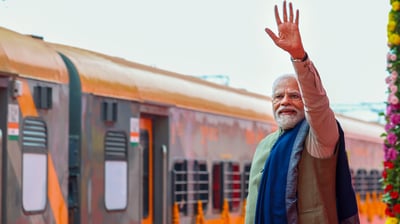
In a historic infrastructure breakthrough, Indian Railways has officially reached the remote township of Rowghat in southern Chhattisgarh, connecting local residents to the national rail grid for the very first time in seventy-nine years since Independence. The completion of this long-pending transport dream marks a major victory for the infrastructure vision of the Narendra Modi administration, which has prioritized last-mile connectivity in previously neglected and conflict-affected tribal regions. For generations, the people of Rowghat and neighboring forest settlements had to rely on treacherous road tracks and sparse bus services just to travel to district headquarters or seek basic emergency medical help. With the commissioning of the new rail line, travel times will drop sharply, opening up direct pathways to education, modern healthcare, and broader economic opportunities across the country.
The physical realization of this long-delayed project centers on the opening of the crucial seventeen-point-five-kilometer broad-gauge stretch between Tadoki and Rowghat, which formally completes the entire ninety-five-kilometer Dalli-Rajhara to Rowghat railway corridor constructed at an investment of 1,628 crore rupees. Building this railway corridor required overcoming immense geographical, environmental, and security challenges, as engineers had to lay tracks through dense forest canopies, steep terrains, and difficult river valleys that had stayed isolated for decades. The official inauguration was led by Chhattisgarh Chief Minister Vishnu Deo Sai alongside Union Minister of Railways Ashwini Vaishnaw, who joined via video conference to celebrate the milestone and lay the foundation stone for an advanced electric locomotive maintenance facility in Raipur.
Marking the historic opening, authorities flagged off two new passenger train services to immediately link local communities: the Rowghat to Raipur passenger train and the Raipur to Kurud passenger service. These daily train services will serve as affordable economic lifelines for thousands of local farmers, small merchants, students, and daily wage earners, allowing them to travel smoothly to the state capital and back. In addition to expanding passenger transit, the broad-gauge connection creates a direct freight supply corridor to transport essential raw materials and iron ore supplies from the mineral-rich Rowghat belts to major industrial hubs like the Bhilai Steel Plant, securing domestic supply chains and boosting national manufacturing capacity.
This breakthrough reflects a decisive shift in central government budgetary focus toward central and eastern India. Over the past decade, the Union Government under Prime Minister Narendra Modi has dramatically expanded railway allocations for Chhattisgarh, raising annual budgetary support to more than 7,000 crore rupees in the current railway budget to replace legacy delays with rapid execution. By coupling massive capital outlays with active security cover in sensitive forested zones, the central government has succeeded in completing strategic railway tracks that had remained stuck on bureaucratic drawing boards for over three decades.
Beyond the immediate transport relief, the arrival of trains in Rowghat carries transformative socio-economic and strategic importance for the entire Bastar division. Establishing secure rail transport inside remote tribal areas accelerates rural development, brings government public services directly to people's doorsteps, and steadily diminishes the influence of extremist networks by integrating isolated populations into mainstream economic life. The successful commissioning of the Rowghat railway line stands as a clear demonstration of how focused political leadership, sustained public investment, and dedicated engineering can deliver real development and social dignity to the nation's most remote corners.