
Iran Warns It Will Open New Fronts Against United States Forces As Trump Suspends Scheduled Military Strikes
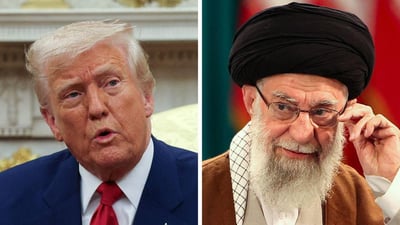
The fragile peace in the Middle East is hanging by a thread following a dramatic sequence of events involving Washington and Tehran. The Iranian army issued a direct warning stating that it will immediately open fresh battlefronts against United States interests if military operations resume. This aggressive declaration from Tehran came just hours after United States President Donald Trump announced on social media that he ordered the Pentagon to suspend a massive, scheduled military strike. The United States assault was planned as a response to growing frustrations over a stalled peace proposal. However, pressure from Gulf Arab nations, who fear devastating reciprocal attacks on their own territory, prompted the White House to pause the offensive to give backdoor diplomacy mediated by regional partners one last chance.
This dangerous standoff highlights a major strategic calculation by both global powers. By threatening to open new fronts in areas where Western forces are inexperienced and vulnerable, Iran is leveraging its regional proxy networks and geographical advantages to deter a full scale invasion. Furthermore, Tehran has tightened its grip on global energy corridors by establishing a new Persian Gulf Strait Authority to oversee the vital Strait of Hormuz, effectively demanding licensing and monitoring rights over shipping and undersea infrastructure. This moves the conflict beyond standard military clashes and turns it into a high stakes economic blockade. The current United States approach relies heavily on maximum pressure, yet the immediate vulnerability of local economic infrastructure means that any miscalculation could trigger a severe global energy crisis.
The decision by the United States administration to halt the strikes reveals deep cracks in the international coalition against Iran. While Washington intends to push for a long term deal that includes a twenty year suspension of Iranian nuclear enrichment, its immediate Gulf allies are clearly unwilling to bear the brunt of the inevitable retaliation. Iran has made it clear that any compliance is contingent upon the lifting of the United States naval blockade on its ports and a permanent end to military campaigns across the region. The primary issue with this temporary suspension of hostilities is that it fails to address the core geopolitical grievances, leaving both militaries on high alert and heavily increasing the likelihood of an accidental escalation or a sudden breakdown in communications.
Ultimately, the suspension of the scheduled airstrikes provides nothing more than a temporary breathing room rather than a durable path to peace. The threatening rhetoric from the Iranian military commanders shows that Tehran feels empowered by its strategic leverage over global trade routes and its ability to threaten neighboring oil producing states. On the other hand, the white house remains highly volatile, warning that the military is fully prepared to launch a large scale assault if negotiations collapse entirely. As long as both nations refuse to make fundamental concessions regarding regional dominance and nuclear development, this cycle of suspended strikes and counter threats will continue to keep the global economy and regional stability in a state of permanent peril.