
Is RSS Alone Hindu Religion And 70 Crores Indian Hindus Are Nepali Or Pakistani What Mohan Bhagwat Says Hindu Dharma Is Not Registered
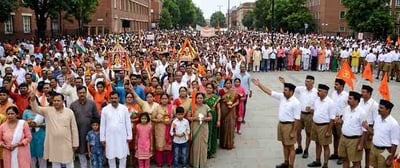
A massive ideological clash has ignited in the national political arena regarding the legal and institutional transparency of India largest cultural organization. Responding to an official open letter issued on June 13, 2026, by Karnataka Home Minister Priyank Kharge demanding the Rashtriya Swayamsevak Sangh register itself formally, RSS chief Mohan Bhagwat completely dismissed the challenge during a public event in Thrissur, Kerala. Bhagwat stated that the century old organization has nothing to hide and operates entirely in the open on public grounds. Drawing an analogy to defend the lack of formal state registration, the RSS chief noted that Hindu Dharma itself is not registered, arguing that many fundamental aspects of Indian society operate without bureaucratic paperwork. He clarified that formal state registration is a requirement primarily meant for entities that seek to secure financial grants and funds from the government, which the RSS does not do.
The intense debate began when Kharge released a detailed 8 point letter questioning the legal framework under which the organization manages its massive network as it marks 100 years of existence. Citing data from the highest decision making body of the organization, the Karnataka Home Minister pointed out that the group operates 4127 daily shakhas, 1389 weekly meetings, and has organized 562 uniformed route marches involving over 2.2 lakh participants across the state. Kharge argued that an organization commanding such massive public mobilization, extensive funding, and widespread societal influence must be held to the highest standards of constitutional compliance, transparency, and tax auditing. The Congress leader maintained that if small local associations, non governmental organizations, businesses, and ordinary religious trusts are legally bound to register and disclose accounts, the apex cultural body should not exempt itself from the rules of the land.
The unfolding confrontation brings to light a critical ideological debate regarding accountability versus corporate autonomy within democratic systems. By directly questioning if a single entity represents the entire faith, critics argue that the lack of formal financial registration allows massive networks to operate without public scrutiny over their assets and donations. On the other hand, the leadership views the demand as a pure political gimmick designed to create doubts among citizens and disrupt grassroots community work. Bhagwat noted that the government has full knowledge of their existence, reminding critics that the state previously imposed bans on the organization twice, which were subsequently overturned through judicial orders and public peaceful protests. The leadership insists that its written constitution was already submitted to central authorities back in the 1960s, making fresh demands for local registration legally redundant.
Ultimately, this ongoing public dispute highlights the deep seated friction between constitutional regulation and traditional institutional freedom. The demand for public disclosure of assets, office bearers, and tax records reflects an effort by state governments to enforce regulatory parity across all large public movements. However, the flat refusal to submit to new registration frameworks shows that the organization relies heavily on its historical status and massive social footprints to maintain operational independence. As the political confrontation escalates into potential legislative action in southern states, the core issue remains whether large cultural bodies can continue to operate outside standard corporate accounting systems. This standoff guarantees that the conversation surrounding institutional accountability and religious identity will remain a central flashpoint in federal politics.