
Shiv Sena, NCP, Now TMC Destroyed! Did BJP Scare 210 Opposition MLAs and MPs with ED and CBI or Lure Them with Money?
The Indian political landscape is witnessing an unprecedented reshuffling of power dynamics, with West Bengal becoming the latest flashpoint. Following a disappointing performance in the assembly elections, the ruling Trinamool Congress has plunged into a severe internal crisis. Rebel leader Ritabrata Banerjee has led a major revolt, gathering the support of 58 MLAs to successfully claim the position of Leader of the Opposition in the state assembly. The tremors of this rebellion quickly reached New Delhi, where 20 Lok Sabha MPs broke away from the parent party to announce a merger with the Nationalist Citizens Party of India. These rebel parliamentarians have officially demanded separate seating arrangements, claiming to represent the authentic version of the party. This twin rebellion in both the state legislature and the national parliament marks one of the most severe organizational challenges for regional parties in recent history.
This dramatic breakdown follows a familiar pattern previously observed during the structural collapses of the Shiv Sena and the Nationalist Congress Party in Maharashtra. In those instances, major factions fractured under intense internal friction and external pressures, ultimately realigning themselves to strengthen the ruling coalition. The opposition continuously alleges that these shifts are far from routine political realignments. Instead, they point to a systematic erosion of regional political outfits. Observers suggest that while internal dissatisfaction regarding leadership succession often triggers these splits, the speed and scale at which rebel factions gain official recognition and integrate into larger alliances indicate a highly strategic and well coordinated execution.
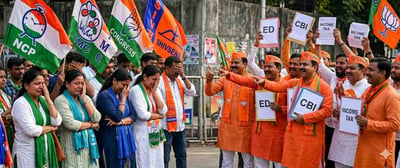
A critical dimension of this ongoing political transformation is the controversial phenomenon frequently labeled as washing machine politics. According to institutional data compiled since 2014, more than 210 prominent opposition lawmakers, including members of parliament and legislative assemblies, have crossed over to join the ruling dispensation. Independent media investigations reveal a striking correlation between these political shifts and the status of active criminal investigations. Out of 25 high profile opposition figures facing intense scrutiny from federal bodies like the Enforcement Directorate and the Central Bureau of Investigation, 23 individuals experienced immediate legal relief after changing their political allegiance. In 20 of these instances, active corruption cases were placed into indefinite storage, while 3 cases were entirely closed. This statistical reality fuels the narrative that central agencies are potentially being utilized as instruments for political persuasion rather than impartial justice.
The broader implications of these continuous defections raise serious questions about the structural health of democratic opposition in India. Had these numerous turncoat politicians remained within their original legislative boundaries, the numerical strength of the opposition across various state assemblies and the national parliament would be significantly higher. The systematic reduction of opposition numbers directly impacts legislative accountability, making it increasingly difficult to challenge executive decisions effectively. As the ruling party continues to expand its footprint through these tactical acquisitions, the institutional checks and balances designed to safeguard parliamentary democracy face severe strain. The ultimate test now lies with remaining regional leaders to see if they can rebuild their organizations and restore public confidence in an increasingly centralized political ecosystem.