
JD Vance Gives Red Eye to Netanyahu Who Cites 140 Crore Indian Support His Genocide in Gaza ?
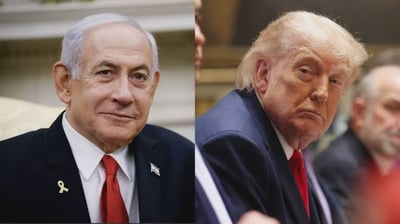
A significant diplomatic rift has opened up between Washington and Tel Aviv after Israeli Prime Minister Benjamin Netanyahu expressed profound dissatisfaction with the shifting parameters of American geopolitical support. In a candid interview broadcast on Fox News, the Israeli leader lamented the growing institutional pressures and policy friction originating from the current United States administration regarding regional security strategies. The public expression of administrative distress followed a series of blunt warnings from American Vice President JD Vance, who had previously admonished Israeli cabinet ministers for openly criticizing a fragile peace memorandum of understanding with Iran. Vance had sharply cautioned the Israeli leadership to respect Washington's diplomatic maneuvers, noting that they should avoid undermining the only powerful ally they have left anywhere in the entire world.
Netanyahu utilized the high profile media appearance to actively push back against the narrative of absolute diplomatic isolation, countering the American administration's rhetoric by highlighting alternative global partnerships. The Prime Minister specifically singled out New Delhi as a monumental pillar of international solidarity, delivering a pointed rejoinder to the White House. He emphasized that Israel possesses a deeply rooted, resilient bond with a global power, adding that they have some other friends, like a country called India which has 1.4 billion people, and that they enjoy tremendous support there. The leader further claimed that his personal digital platforms are consistently flooded with overwhelming expressions of solidarity from Indian citizens, illustrating that public opinion in the South Asian nation remains a vital asset for Israel during moments of intense international scrutiny.
This public posturing exposes a deeper structural friction within the historic alliance between the United States and Israel. The current tension stems from the White House's insistence on establishing a diplomatic breakthrough with Tehran to safeguard maritime trade routes and stabilize regional energy corridors, an administrative move that Israeli defense officials view as a direct compromise to their long term sovereign safety. By reminding American policymakers of India's vast population and diplomatic weight, Netanyahu is attempting to reduce his administration's total psychological and political dependence on Washington's approval. This strategy targets an institutional vulnerability where the United States has traditionally operated under the assumption that its financial and military aid grants it an absolute veto over Israel's sovereign defense decisions and unilateral military actions.
The escalating war of words occurs just weeks ahead of a scheduled bilateral meeting between Netanyahu and President Donald Trump at the White House, where regional defense frameworks and the future of the controversial Iran agreement are expected to dominate the agenda. While the legal and logistical realities dictate that a large portion of Israel's specialized defensive weaponry remains manufactured by American hands and funded by western taxpayers, Tel Aviv is actively cultivating technological and cybersecurity alliances with alternative global partners to diversify its strategic options. The legal framework of international diplomacy ensures that sovereign nations will always prioritize their immediate domestic survival over external alignment pacts. This high stakes rhetorical battle serves as a clear illustration that even long standing bilateral relationships face severe structural stress when the core national security priorities of the participating governments begin to diverge.