
Jnadanandini Devi Nivi Saree Blouse Petticoat Origin Story Re Emerges As Ranbir Kapoor Ramayana Revives Traditional Indian Fashion
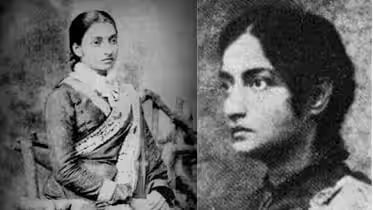
As cinematic spectacles like the upcoming 2026 film Ramayana starring actor Ranbir Kapoor reignite nationwide interest in rich traditional attire, public attention has turned back to the fascinating historical origin of modern Indian ethnic wear. Long before grand film sets showcased draped silks and handcrafted dhotis to millions of viewers on 2 August 2026, the basic structure of how women wear sarees across India underwent a massive transformation in the late 19th century. Prior to this cultural evolution, Indian women in regions like Bengal wore unstitched saree fabrics directly over their bodies without any inner garments or tailored tops. The invention of the modern 3 piece ensemble comprising the tailored blouse, the underskirt petticoat, and the pleated Nivi drape was pioneered by a progressive Bengali reformer named Jnadanandini Devi, the wife of Satyendranath Tagore, who was the elder brother of Nobel laureate Rabindranath Tagore.
The cultural story began in the year 1868 when 18 year old Jnadanandini Devi accompanied her husband Satyendranath Tagore to Bombay after he became the first Indian officer admitted into the prestigious Indian Civil Service. Moving from the traditional, secluded inner quarters of Bengal into high society European and Parsi social circles in Western India presented an immediate practical challenge regarding formal public attire. At that time, traditional Bengali draping styles lacked structural coverage and were considered inappropriate for formal public gatherings, riding horses, or attending official government dinners alongside British diplomats. Observing how Parsi women draped their sarees elegantly over structured blouses and skirts, Jnadanandini Devi began experimenting with new garments. She adapted European style blouses with high collars, puffed sleeves, and delicate lace, pairing them with lightweight cotton petticoats that anchored the saree fabric securely around the waist.
Upon returning to Kolkata in the year 1870, Jnadanandini Devi introduced this new drape, known as the Nivi style, to the women of Bengal. In the Nivi style, 1 end of the saree is wrapped around the waist and tucked into a fitted petticoat, neat pleats are formed at the front to allow free movement, and the remaining fabric called the pallu is draped gracefully over the left shoulder. To encourage other women to adopt this comfortable and dignified drape, she published advertisements in local newspapers in Kolkata, offering free lessons at her home to teach women how to wear the new style. The innovation quickly spread across the country, transforming from a high society trend into the universal standard drape for Indian women across all social strata throughout the 20th and 21st centuries.
While this garment system is celebrated today as an iconic symbol of Indian heritage, the initial social reception in 19th century conservative society was met with mixed reactions. Traditionalists initially viewed stitched blouses and petticoats as unnecessary imitations of Western colonial fashion, arguing that unstitched garments represented pure native tradition. However, progressive social reformers recognized that providing women with comfortable and socially acceptable clothing was an essential catalyst for women entering public life, pursuing higher education, and joining the national independence movement. Over time, the tailored blouse evolved into an artistic canvas in its own right, incorporating regional embroideries, handloom fabrics, and distinct necklines across various states of India.
Looking at the enduring legacy of this fashion revolution from a modern perspective, the 3 piece ensemble created over 150 years ago remains the undisputed backbone of Indian traditional fashion. Today, costume designers working on mega budget historical epics like Ramayana draw heavy inspiration from these classic draping styles and handcrafted textiles to create authentic visual narratives. The seamless blending of Victorian tailoring techniques with traditional Indian textiles created an adaptable design framework that survived industrialization, Westernization, and changing global trends. What began as a personal quest by a visionary young woman to navigate social spaces with confidence ended up defining the visual identity of Indian womanhood for generations to come.
Today, as traditional drapes experience a massive revival across luxury fashion runways and blockbuster cinema, the story of Jnadanandini Devi stands as a powerful testament to functional design and social empowerment. Modern designers continue to experiment with pre pleated sarees, jacket blouses, and contemporary drapes, yet every modern iteration still relies directly on the foundational blueprint established in 1870. The simple act of combining a structured blouse, a supportive petticoat, and a gracefully pleated drape ensured that traditional Indian clothing remained practical, dignified, and timelessly stylish across centuries.