
Kerala Petrol Pumps Face Random Quality Checks Over Excess Ethanol Blending Fears
Vehicle owners across Kerala are expressing strong worries about the quality of fuel going into their engines, prompting state authorities to take immediate action on the ground. When motorists fill up their fuel tanks, they expect the liquid to match strict national standards that protect expensive machinery. However, recent findings in south India have raised serious doubts about whether oil marketing companies are blending more ethanol than officially allowed. Because excessive blending can slowly harm vehicle parts, reduce mileage, and lead to sudden breakdowns, regular drivers and transport operators have demanded clear answers from government departments.
The issue came into sharp focus in Nov 2026 after neighboring Karnataka conducted laboratory tests on petrol samples collected from several districts. Under the national clean fuel program, oil companies are supposed to follow the E20 standard, which caps the mixing of ethanol with petrol at twenty percent. To the surprise of regulators, state lab tests in Karnataka revealed ethanol levels rising as high as thirty-one percent in certain samples. This sharp jump above the legal limit caused alarm because engines designed for regular or standard blended fuel cannot handle such high alcohol concentrations without suffering mechanical damage.
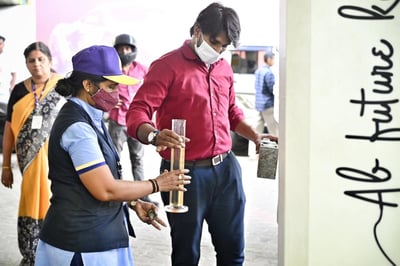
Reacting quickly to protect local consumers, Kerala Food and Civil Supplies Minister Anoop Jacob ordered surprise inspections at fuel outlets in four major districts. Supply officers and testing teams have begun gathering random fuel samples from petrol pumps across Thiruvananthapuram, Ernakulam, Kozhikode, and Kannur. These four regions cover major transportation routes and dense urban centers where lakhs of two-wheelers, cars, and commercial vehicles fill up every day. The collected liquid samples are being sealed according to official procedures and dispatched to authorized chemical laboratories for detailed testing.
The state administration has clarified that final lab reports are expected within ten days. Minister Anoop Jacob stated that the inspection drive was initiated to clear public doubt and determine whether pumps in the state are receiving or dispensing fuel with excessive blending. The minister also issued a stern warning to fuel station dealers, announcing that any outlet caught selling petrol above the legal twenty percent threshold could face immediate sealing and strict legal prosecution under consumer protection laws. At the same time, officials noted that no confirmed instance of excessive blending has been formally established in Kerala yet, making the current drive a necessary precautionary step.
Understanding why ethanol is added to petrol helps explain the ongoing debate. Ethanol is an alcohol derived mainly from sugarcane, corn, and other plant materials. The central government introduced ethanol blending to cut down expensive crude oil imports from foreign nations, support local sugarcane farmers, and lower carbon emissions from vehicle exhausts. Over the past few years, the country steadily increased the mixing ratio from five percent up to twenty percent. While blending offers clear economic and green benefits on paper, maintaining precise mixing limits is essential because alcohol behaves very differently from petroleum inside an internal combustion engine.
Automobile experts explain that when ethanol levels cross safe boundaries, vehicle engines suffer severe damage over time. Ethanol absorbs moisture from the surrounding air, which can cause water separation inside fuel tanks. This moisture leads to rust in metal pipes, damages fuel pumps, and clogs delicate fuel injectors. Furthermore, high alcohol levels corrode standard rubber hoses and plastic seals used in older vehicles that were never designed for modern fuels. Motorists also experience a noticeable drop in driving range and engine pickup, meaning people spend more money on fuel while simultaneously facing expensive workshop repairs.
The findings have sparked a heated dispute between state governments and central authorities. The Union Petroleum Ministry and major public sector oil companies have strongly rejected the claims of excessive blending. Central officials maintain that blending is performed through automated, computerized systems at massive fuel storage depots rather than through manual mixing at local pumps. They cited hundreds of independent samples tested across the country that fully conformed to Bureau of Indian Standards requirements. Oil companies have requested counterpart fuel samples and full documentation to review the testing methods used by state laboratories.
Consumer rights groups argue that everyday citizens deserve full transparency regarding what they pay for at the pump. Ordinary commuters cannot test fuel purity on their own, leaving them entirely dependent on state enforcement agencies to keep suppliers honest. As the sample tests get underway in Thiruvananthapuram, Ernakulam, Kozhikode, and Kannur, drivers across Kerala are watching the developments closely. The upcoming laboratory results will prove crucial in determining whether the fuel controversy is an isolated testing disagreement or a serious nationwide supply issue that requires immediate policy intervention.