
Mahua Moitra Accuses BJP Government of Blocking MP Duties as Supreme Court Seeks Reply From Centre and Bengal
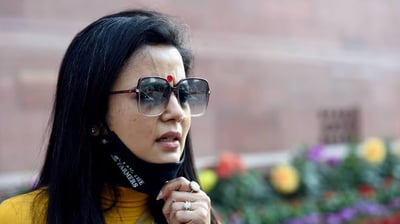
A major legal and political battle has reached the highest judicial authority of the country as Trinamool Congress parliamentarian Mahua Moitra approached the top court with serious grievances. The lawmaker representing the Krishnanagar parliamentary constituency alleged that continuous administrative pressure and hostile actions are preventing her from performing her elected constitutional duties. Taking note of the detailed petition filed by the representative, the Supreme Court agreed to examine the matter and sought formal replies from both the Union government and the West Bengal state administration.
The petition presented before the judges highlights an extensive list of practical difficulties faced by the elected representative on the ground. The lawmaker stated that she has been subjected to physical attacks, eviction from official premises, and regular administrative blockages that stop her from meeting the people who voted for her. She submitted that local authorities and political opponents have repeatedly denied permissions required to conduct outdoor political gatherings, public contact programs, and normal constituency outreach meetings.
Another major concern brought before the court involves the execution of local development works funded under the official parliamentary scheme. The parliamentarian submitted that developmental projects meant for local schools, village roads, and public welfare across her constituency are being deliberately stalled by bureaucratic obstacles. She explained that stopping essential community works directly punishes ordinary citizens who rely on these civic funds for local improvements.
The legal document further outlined how multiple police complaints and First Information Reports have been filed against her across different police stations. The lawmaker claimed that these legal complaints are being used as instruments of harassment to keep her entangled in court appearances rather than serving her constituency. She emphasized that an elected representative cannot be expected to carry out parliamentary responsibilities independently when facing constant intimidation from political rivals and collusive administrative functionaries.
After listening to the initial arguments presented by the legal team representing the parliamentarian, the bench decided that the matters raised warrant formal scrutiny. The court issued legal notices returnable within four weeks, directing the central authorities and the state machinery to submit their detailed responses explaining the steps taken to ensure the personal safety and functional independence of the elected representative.
The controversy follows a turbulent period for the Krishnanagar representative, who had won back her parliamentary seat with a substantial public mandate following intense election campaigning. Despite her decisive victory, she argued that hostility from opponents has not cooled down, turning routine administrative work into a daily struggle. Her legal representatives argued that protecting the rights of an opposition parliamentarian is fundamental to upholding the democratic health of the nation.
Meanwhile, legal actions connected to her security have also been examined in the regional judiciary. The High Court in Kolkata recently extended interim security cover provided to her during her field visits inside the constituency through November 30. However, her legal representatives informed the top court that regional security steps alone have proven inadequate in stopping continuous institutional friction and organized roadblocks on the ground.
Political analysts observe that this Supreme Court petition brings rare judicial attention to how opposition lawmakers operate inside their home districts. As both the Union government and the state administration prepare their formal affidavits for the next hearing, the outcome of this case could establish important legal safeguards protecting the right of elected representatives to serve their voters without administrative fear or interference.