
US Deploys 9000 Troops to Middle East as Donald Trump Warns Iran of Fresh Strikes After Mid-Air Flight Attack
The United States military has ordered the deployment of roughly 9,000 troops aboard a flotilla of warships heading toward the Middle East. The major naval buildup comes as President Donald Trump publicly raised the possibility of launching fresh military strikes against Iran. The decision expands American military readiness across regional waters at a moment when tensions between Washington and Tehran are reaching dangerous new heights.
The newly deployed naval force includes more than 7,000 sailors and approximately 2,000 Marines aboard an aircraft carrier strike group and amphibious landing vessels. The arrival of these warships pushes total American naval personnel in the region to more than 20,000 service members alongside hundreds of fighter jets and surveillance aircraft. In total, the United States military maintains more than 50,000 troops stationed across bases and naval formations in the wider region.
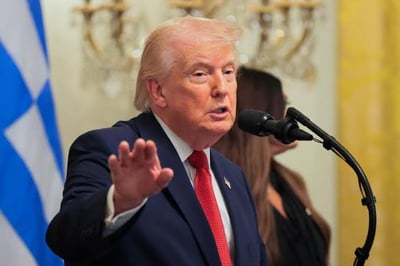
President Trump spoke to reporters about the escalating standoff, issuing an explicit warning to Iranian leadership. He stated that the United States would retaliate forcefully if ongoing intelligence inquiries establish a direct connection between Iranian agencies and the recent mid-air attack aboard a Flydubai passenger flight. The flight, which was traveling toward Tel Aviv carrying 174 people on board, was forced into an emergency diversion after the first officer assaulted the captain inside the cockpit.
When asked whether early findings pointed toward Iranian involvement in the commercial flight incident, President Trump indicated that early signs suggest that possibility, adding that American intelligence teams are actively examining the matter. He warned that if a formal link to Tehran is established, the United States will hit back very hard, emphasizing that military planners are reviewing multiple response plans.
The deployment of a third aircraft carrier group reflects growing concerns in Washington that the conflict could take unpredictable turns. While the American naval fleet has maintained blockades around Iranian maritime channels and escorted international commercial tankers through the narrow Strait of Hormuz, security analysts warn that prolonged economic blockades and naval friction could trigger unconventional attacks or asymmetric operations across Middle Eastern shipping lanes.
The military escalation has also had an immediate impact on global energy markets. News of the warship movements and the possibility of renewed strikes caused international crude oil prices to rise by more than four dollars per barrel. Energy traders and regional governments are watching the developments closely, worried that any exchange of strikes near key oil choke points could disrupt daily tanker movements and strain global oil supplies.
President Trump reiterated his firm position regarding regional security, maintaining that international leaders are united against allowing Iran to develop operational nuclear capabilities. He claimed that aggressive economic blockades and ongoing military pressure have severely weakened Iranian naval power and diminished its missile supplies, while acknowledging that preventing Tehran from acquiring strategic weapons remains the central objective of American policy.
Diplomats and international observers continue to call for caution, warning that deploying additional heavy naval assets raises the danger of sudden accidental confrontations at sea. With thousands of American sailors entering regional waters and intelligence agencies still investigating the Flydubai cockpit attack, the coming days will prove critical in determining whether the standoff moves toward renewed military conflict or diplomatic containment.