
Mamata Banerjee Names Madan Mitra New Chief Whip As Trinamool Congress Internal Conflict Intensifies
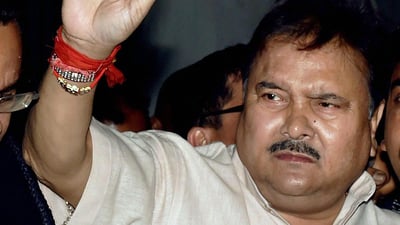
The internal political landscape of West Bengal has taken a dramatic turn as the power struggle within the Trinamool Congress shifts directly into the legislative assembly. Following an unprecedented structural split, the camp led by Mamata Banerjee moved swiftly to strip senior leader Firhad Hakim of his legislative responsibilities. An official communication was dispatched late on Monday night, followed by a formal physical submission by senior party leader Sovandeb Chattopadhyay on Tuesday morning, seeking the immediate recognition of Kamarhati MLA Madan Mitra as the new chief whip. This aggressive maneuver was initiated mere hours after the party high command issued formal show cause notices and subsequent expulsion orders to Firhad Hakim and 7 other high profile leaders, including Arup Roy and Aroop Biswas, accusing them of deliberate anti party activities and violating organizational discipline.
The immediate trigger for this severe disciplinary crackdown was the dramatic announcement of a parallel leadership structure by a dissident faction of the party. Led by the West Bengal Leader of Opposition Ritabrata Banerjee, the rebel camp organized a special session in Kolkata where they set up a separate All India Trinamool Congress Committee and a 30 member National Working Committee, naming Arup Roy as their chairperson and Firhad Hakim as a vice chairperson. Although the rebel group publicly maintained that they still view Mamata Banerjee as a guiding mentor, the creation of a parallel executive framework directly challenged her absolute authority. In a swift counter offensive, the loyalist high command completely restructured its official National Working Committee, systematically dropping the prominent dissidents and attempting to replace Firhad Hakim on the assembly floor to consolidate legislative control.
However, the high command hit a major procedural roadblock when West Bengal Assembly Speaker Rathindra Bose refused to accept the formal letter to replace the chief whip. The Speaker office stated that the ongoing factional disputes and the larger question of legislative leadership within the split party are currently sub judice under active judicial consideration, making any immediate modification legally complicated. The loyalist camp strongly countered this stance, presenting a logical argument that while the dispute over the Leader of Opposition post remains tied up in the Calcutta High Court, the position of party chief whip is an internal party administrative matter and carries no separate legal challenge. Despite these arguments, the refusal of the legislative head to act on the request effectively freezes the status quo, leaving the high command in a highly complex position where they have expelled individuals who technically continue to hold official positions within the assembly records.
This fast evolving political crisis reveals a deeper systemic vulnerability within regional party structures when moving through a transitional phase or a major electoral defeat. The current internal revolt, which surfaced clearly after the party lost its 15 year rule in the assembly elections, demonstrates that shifting power dynamics can rapidly erode once absolute internal discipline. While the loyalist faction is using rigid disciplinary tools and fast tracking replacements like Madan Mitra to maintain a firm grip on power, the rebel faction is cleverly using legislative numbers and ongoing court battles to protect their positions. This complex institutional standoff between court proceedings, assembly conventions, and party rules indicates that the internal war is far from over. The ultimate resolution will heavily depend on upcoming decisions by the Calcutta High Court and the Election Commission, which will decide which faction holds the legitimate right to the party name, symbols, and legislative authority.