
US Senate Russia Sanctions Bill Advances Imposing 100 Percent Tariffs On India And China
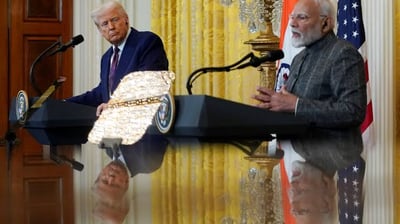
Tension filled the halls of the United States Capitol on July 28, 2026, as lawmakers gathered for a high stakes vote that could reshape global economic trade. In an overwhelming show of bipartisan support, the Senate voted 86 to 12 to advance groundbreaking legislation designed to choke off foreign funding for Moscow. Championed by Democratic Senator Richard Blumenthal alongside the late Republican Senator Lindsey Graham, the proposal seeks to punish nations that purchase large quantities of Russian energy products. The vote took place on July 28, 2026, shortly after Ukrainian President Volodymyr Zelenskyy delivered a impassioned plea to Washington leaders during a high level visit. Zelenskyy stressed that cutting off the financial pipeline from Russian crude exports is vital for bringing peace back to Eastern Europe. The advancing measure gives President Donald Trump broad executive powers to apply heavy economic leverage, creating shockwaves across international diplomacy.
At the heart of this sweeping legislation lies a direct blow to major economies that have continued buying discounted Russian energy. Under the terms of the bill, the United States government can levy tariffs up to 100 percent on goods imported from the top 5 largest purchasers of Russian crude oil and natural gas. While the act imposes blocking sanctions against Russian defense, financial, and energy sectors, its secondary sanction mechanisms directly target non Western partners. The list of targeted purchasers includes India, China, Slovakia, Hungary, and Azerbaijan. To protect European partners who are actively weaning themselves off Russian energy, the bill explicitly exempts 15 European countries that import less than 15 percent of their total natural gas needs from Moscow. Additionally, the legislation extends the landmark Iran Sanctions Act through 2031, cementing a comprehensive foreign policy package that covers multiple global conflict zones.
For ordinary citizens in countries like India and China, as well as shoppers across America, the potential real world fallout of this proposal is massive. Since 2022, Indian oil refiners and Chinese state corporations have imported millions of barrels of low cost Russian crude every day to keep local fuel prices affordable and fuel domestic industrial growth. If Washington enforces a 100 percent tariff on trade goods coming from India and China, everyday products ranging from electronics and textiles to pharmaceuticals could double in price for American consumers. Foreign factory workers, local trade exporters, and shipping logistics firms would instantly feel the squeeze as international trade routes scramble to adjust. Critics warn that such severe economic measures might inadvertently push major developing nations to build alternative trade networks that bypass the United States dollar entirely, transforming a targeted sanction into a unpredictable shift in global commerce.
The legislative debate inside Washington highlights a complex balancing act between national security goals and economic realities. Supporters argue that economic sanctions without strict enforcement against energy buyers are ineffective, leaving Russia with billions of dollars to fund military operations. Senator Richard Blumenthal emphasized on July 29, 2026, that the bill is carefully crafted to starve the Russian war effort without disrupting essential global nuclear safety supplies, noting specific exclusions for civilian nuclear reactors and space cooperation. However, several lawmakers have expressed deep worry over handing unprecedented tariff authority over to the White House. Representative Gregory Meeks cautioned that granting broad presidential discretion to impose blanket import taxes on key allies and trading partners could hurt American families by driving up domestic inflation.
The path forward now depends on the full United States Congress as lawmakers navigate the remaining procedural hurdles. Although the Senate passed the initial procedural hurdle easily on July 28, 2026, final enactment will take time because the House of Representatives is currently in its summer recess. House members are expected to take up the measure when they reconvene in September 2026. The bill grants the President the ability to issue narrow waivers if economic penalties threaten American national security interests, providing a potential emergency exit if international tensions boil over. As global markets watch Capitol Hill closely, this legislative movement marks one of the most aggressive uses of trade tariffs as a weapon of foreign policy in modern political history.