
Members Of Different Organisations Protest Against Gyanesh Kumar Election Fraud Demanding Resignation Over SIR Roll Deletions
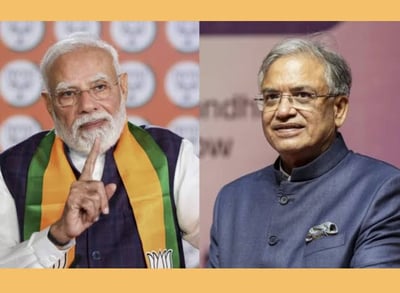
Public agitation against the Election Commission reached a boiling point as members of diverse civic platforms gathered together in New Delhi to register their resistance against Chief Election Commissioner Gyanesh Kumar. The protesters, representing youth wings, agricultural bodies, and civil rights groups, converged in central parts of the capital to demonstrate against what they describe as an orchestrated manipulation of voting records. Carrying large placards and raising anti-establishment slogans, the collective voice called for the immediate resignation of the top election officer over his role in the controversial Special Intensive Revision exercise.
A prominent flashpoint of the street march was the presence of active student groups, notably the All India Students Federation. Demonstrators were seen holding up direct protest signs labeling the Chief Election Commissioner as a cheat commissioner, directly challenging the integrity of the election watchdog. University youth, left-wing student collectives, and democratic forums joined hands, expressing outrage that millions of legitimate voters were quietly wiped off the lists without fair ground assessments or public disclosure. The young marchers argued that cutting names from voting registers attacks the very core of youth participation in the democratic process.
The demonstration brought together prominent political commentators, social activists, and senior farmer union figures. Well known public figures such as Yogendra Yadav and National Federation of Indian Women leader Annie Raja walked alongside students and daily-wage organizers, demanding accountability from Nirvachan Sadan. Farm leaders who had previously mobilized major movements around the borders of the capital warned that removing voting rights from poor rural residents and smallholders would not be tolerated silently. They stressed that the right to elect representatives is a sacred constitutional guarantee that cannot be overridden by administrative shortcuts.
The unrest centers squarely around the nationwide implementation of the Special Intensive Revision drive, commonly referred to as the SIR process. Critics and civic watchdogs point to official data indicating that over thirteen crore names were eliminated across state voting rolls during the exercise. An estimated seventy percent of these deletions fell under vague administrative labels such as absent, shifted, or others, while the remaining entries were removed under claims of duplication or death. Protesting groups highlighted that migrant workers, rural laborers, and minority households bore the brunt of these mass removals, often discovering their names were missing only after the final registers were notified.
To prevent the crowds from marching directly toward the headquarters of the Election Commission, security forces deployed heavy police barricades and restricted key thoroughfares across central Delhi. Roads near Gurudwara Bangla Sahib were heavily sealed off with iron barriers and transport vans. As demonstrators attempted to push forward peacefully with national flags and banners, police intervened to break up the gathering. Security officials detained twenty protesters on the spot and moved them away from the area in police vehicles, while registering one First Information Report against participants for gathering in restricted security zones without police clearances.
The agitation in the capital is part of a wider coordinated wave of resistance appearing across other major Indian cities. In Bengaluru and Mumbai, similar demonstrations were organized by labor unions, rights collectives, and citizens groups under the banner of People Against SIR. Protesters in these metropolitan centers also rallied outside government complexes, demanding an independent judicial inquiry into how voter names were deleted and calling for legal accountability for top election officials.
Opposition political parties have joined the chorus, attacking the legal structure that shields election commission leaders from legal scrutiny. Civil society representatives reminded the public of the 2023 law that excluded the Chief Justice of India from the selection panel for election commissioners, creating an appointment system dominated by the ruling government. Activists maintain that removing independent judicial balance from appointments has eroded trust in the constitutional neutrality of the commission, making mass voter deletions appear politically motivated rather than purely administrative.
Representatives of the participating organizations have declared that their agitation will not slow down until concrete corrective steps are taken. Their core demands include the complete withdrawal of the SIR framework, a forensic audit of all deleted records, the prompt reinstatement of every eligible citizen dropped from the lists, and the immediate resignation of Gyanesh Kumar. Organizers reiterated that peaceful street protests, signature campaigns, and legal interventions in the higher courts will continue until the voting rights of every affected citizen are fully protected.