
Modi Govt Hikes Petrol and Commercial Gas Prices Post Bengal and Assam Wins: Is India Ready for Mass Unemployment and Job Loss?
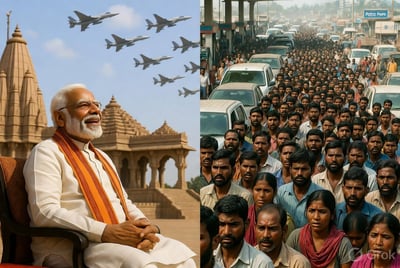
In a significant move that has sent shockwaves through the Indian economy, the Modi government officially hiked petrol and diesel prices by ₹3 per litre on May 15, 2026. This increase marks the first revision in fuel rates in over four years and comes just sixteen days after the conclusion of high-stakes assembly elections in West Bengal and Assam. For months, fuel prices remained frozen despite a volatile international market, but with the elections now over, the relief for consumers has ended. Additionally, commercial LPG prices were recently hiked by a staggering ₹993 per cylinder, taking the cost of a 19kg cylinder to over ₹3,071 in Delhi. This twin blow of rising energy costs is expected to have a cascading effect on the transport sector, food logistics, and the manufacturing industry, as businesses struggle to absorb the sudden spike in operational expenses.
The timing of these price hikes has reignited a fierce debate regarding political accountability and the economic future of the common man. Critics and opposition leaders have pointed out that while the government celebrated its political victories in the recent polls, the immediate reward for the public has been a massive increase in the cost of living. There is a growing concern that this inflationary pressure will lead to a slowdown in consumer spending, which in turn could force companies to downsize. Economic experts suggest that small and medium enterprises, already reeling from high raw material costs, may no longer be able to sustain their current workforce. This has led to widespread anxiety about whether India must now prepare for a period of mass unemployment, as the cost of doing business becomes increasingly unsustainable for many sectors.
Looking at the current labor market data, the signs are already worrying. Reports from May 2026 indicate that the unemployment rate has edged up to 5.1%, driven by joblessness in both urban and rural regions. With fuel and commercial gas becoming significantly more expensive, industries like logistics, hospitality, and e-commerce deliveries are likely to see a sharp reduction in hiring. The fear is that the "second-round effects" of these fuel hikes will push retail inflation toward the 6% mark, eating into the savings of the middle class. While the government maintains that these price adjustments are necessary due to the global energy crisis and the West Asia conflict, the common citizen is left wondering if the burden of geopolitical stability is being unfairly shifted onto their shoulders through higher bills and fewer job opportunities.
The resolution of this crisis depends on how effectively the government can balance its fiscal needs with the survival of the job market. If the current trend of rising fuel and gas prices continues, the risk of a "jobless recovery" or a full-scale employment crisis becomes a real possibility. For the millions of youth entering the workforce in 2026, the prospect of mass job losses is a terrifying reality that could overshadow any political victory. A sustainable solution would require not just temporary subsidies but a fundamental shift toward energy independence and more robust labor protections. Until then, the Indian public remains on high alert, watching closely to see if the post-election "gift" of price hikes will lead to a long-term struggle for livelihood and economic security across the nation.