
No More Free Food Air India Cuts Complimentary Meals In Shocking New Ticket Category
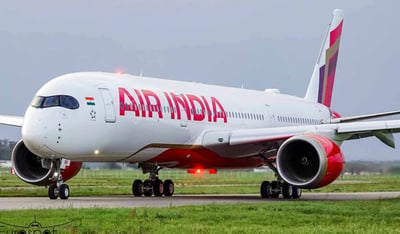
The landscape of premium Indian aviation is shifting toward a low cost operational model. Tata Group owned Air India announced the official introduction of an unbundled Basic fare category on select domestic routes on a pilot basis. This major operational change marks the very first time since its historic privatization in January 2022 that the national carrier has stripped away complimentary meals from an economy class ticket segment. Under this newly introduced tier, budget conscious passengers will still receive a 15 kg checked baggage allowance, a 7 kg cabin baggage allowance, and a complimentary beverage service consisting of tea or coffee, but they will no longer find a hot tray of food waiting for them at 30000 feet. Passengers who purchase this specific tier can choose to buy their food separately up to 24 hours before their scheduled departure time, creating a completely customizable flying experience.
This drastic corporate decision is a direct response to severe financial pressures within the domestic aviation sector. Rising operational costs, volatile jet fuel prices, and a weakening currency have deeply impacted corporate balance sheets across the industry. Recent financial disclosures from partner Singapore Airlines revealed that Air India suffered a staggering annual loss of nearly 2.8 billion dollars for the financial year ending in 2026, representing its worst fiscal performance since the corporate takeover. To mitigate these heavy losses, management has aggressively reduced international flight capacities by roughly 27 percent and trimmed domestic schedules by up to 22 percent. By stripping out the fixed cost of onboard catering from their lowest priced tickets, the corporate management hopes to optimize resource management and remain price competitive against low cost carrier rivals who have long dominated the Indian airspace.
However, this strategic pivot places Air India in a highly contradictory position that risks damaging its long standing identity as a premium full service airline. For generations, the carrier has distinguished itself by offering warm hospitality and bundled comforts, contrasting sharply with the bare minimum services of budget companies. By adopting an unbundled pricing strategy, the management risks confusing consumers and diminishing the unique brand prestige that justifies higher ticket prices. Furthermore, executing a split service model on a single aircraft creates considerable operational friction for cabin crews who must carefully cross-reference passenger manifests to verify who receives a hot meal and who receives only a beverage. This complex arrangement could easily lead to service delays and negative customer feedback if execution errors occur during short domestic flights.
In conclusion, the launch of the optional Basic fare represents a critical survival strategy aimed at capturing price sensitive travellers while stabilizing corporate finances. It gives flyers more flexibility by preserving the existing Value, Classic, and Flex tiers for individuals who still desire a traditional fully bundled experience. While this flexible model allows the airline to match the aggressive pricing of budget rivals, the long term success of the initiative remains highly uncertain. The corporate leadership must closely monitor passenger feedback during this trial phase to ensure that short term cost savings do not completely erode the premium reputation that the iconic carrier has spent decades building.