
Nvidia Microsoft Meta Warn Against Premature Restrictions Of Open Weight Models
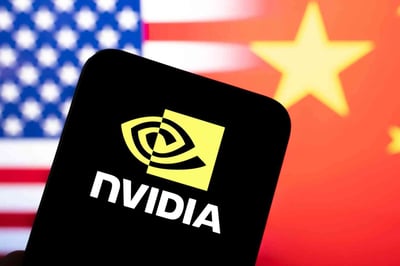
On 24 July 2026, a massive coalition of 25 prominent technology companies, venture capital firms, and open-source foundations submitted a joint letter to United States policymakers in Washington. Headlined by industry giants including Nvidia, Microsoft, Meta, IBM, Dell Technologies, and Palantir, the group urged government leaders to avoid imposing premature restrictions on open-weight artificial intelligence models. Open-weight models allow developers and researchers worldwide to freely download, inspect, modify, and run artificial intelligence software on their own private servers. Nvidia Chief Executive Officer Jensen Huang used his first post on social media platform X to share the statement, emphasizing that the global tech ecosystem needs both frontier closed models and frontier open models to thrive safely.
The urgent outreach arrives during growing debates in Washington over foreign technological competition, particularly following the recent release of advanced Chinese open models like Moonshot AI Kimi K3. In response to competitive pressure, some federal officials began considering strict regulatory measures, including mandatory remote shutoff mechanisms and restrictions on model distillation techniques. However, the coalition of tech leaders argued that restricting open models would severely weaken domestic innovation, push critical software development overseas, and harm smaller startups. Drawing direct historical parallels to the open-source software movement of the 1980s, signatories including Mozilla and the Linux Foundation emphasized that transparent code historically strengthened global security rather than creating widespread vulnerabilities.
Supporters of open technology maintain that public scrutiny from thousands of independent researchers helps identify security flaws faster than secretive internal audits within single corporate entities. By contrast, relying exclusively on proprietary closed systems creates dangerous single points of failure that leave critical infrastructure vulnerable to unexpected breaches. The signatories also urged government agencies to expand public computing infrastructure and shared training datasets so independent developers can continue building competitive tools locally. Notably, leading closed-model developers like OpenAI and Anthropic chose not to sign the joint petition, highlighting an ongoing strategic divide within the artificial intelligence industry regarding open access versus proprietary control.
This major policy push demonstrates a crucial turning point where executive leaders actively push back against hasty legislative intervention in favor of open technological development. While national security concerns surrounding foreign intellectual property theft require serious administrative attention, imposing broad restrictions across the entire open-source ecosystem risks undermining the foundational tools that drive modern economic growth. Balancing legitimate security safeguards with open innovation will remain a central challenge for lawmakers moving forward. Decisions made today regarding open-weight access will ultimately shape global technological leadership, market competition, and digital infrastructure for decades to come.