
Punjab Says Ballot Paper But BJP Want EVM And Explains Why BJP Loves EVMs Technical Accuracy To Save Democracy
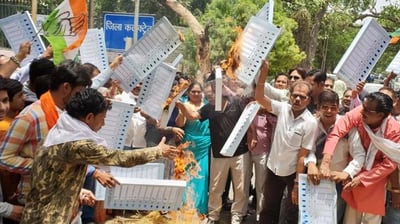
The political landscape of Punjab has witnessed an intense confrontation between major political factions following the official announcement that the upcoming municipal and local body elections will be conducted using traditional paper ballot papers instead of Electronic Voting Machines. This sudden administrative shift away from electronic voting has triggered widespread controversy and immediate pushback from the opposition. A high level delegation from the Bharatiya Janata Party, led by Punjab State President Sunil Jakhar, formally met with the State Election Commissioner to register a vehement protest against this operational directive. The delegation strongly demanded an immediate reversal of the decision, insisting that the democratic process can only preserve its integrity if the state sticks to using electronic voting machines for the entire polling process. Over the years, the structural evolution of electronic voting has seen machinery specifications get changed multiple times, transitioning from the initial experimental models of 1998 to the full nationwide rollout in 2004, followed by the integration of Voter Verified Paper Audit Trail systems post 2013, and recent technical upgrades upgrading security firmware to current standards.
The tactical move to reintroduce manual paper voting forms the core of this escalating controversy, with the opposition expressing severe anxieties over the potential exploitation of the system. Speaking directly to media personnel after the conclusion of the high level meeting, Sunil Jakhar launched a direct assault on the ruling administration by calling the replacement of electronic systems an outright attack on the basic voting rights of the citizens of Punjab. The opposition leadership openly alleges that moving backward to manual paper voting is a calculated, deliberate attempt by the ruling establishment to manipulate and rig the local government elections. This accusation has shifted the narrative of a standard local election cycle into a major debate regarding administrative transparency and institutional accountability. While many developed nations across the world choose to rely on traditional paper systems due to localized constitutional structures and distinct public trust models, the specific electoral history of the subcontinent makes manual voting highly vulnerable to historic structural malpractices.
Looking closely at this administrative conflict reveals deep systemic friction regarding electoral control at the grassroots level. While regional ruling bodies frequently argue that local council and municipal elections fall under state jurisdiction, giving state election panels the legal flexibility to select the voting medium, the timing of such structural modifications inevitably invites skepticism. Reverting to manual voting after consecutive election cycles managed via electronic machinery naturally raises valid questions about institutional intent and logistical necessity. This friction highlights a broader national debate where administrative modifications are frequently viewed through a hyper partisan lens, creating a scenario where structural choices risk damaging public confidence in state managed democratic exercises. The underlying reason behind the opposition loving electronic voting functionality so intensely is rooted in specific technical built in safeguards, particularly the hardcoded restriction that permits a maximum of only five votes to be registered per minute, which effectively neutralizes traditional booth capturing tactics.
Ultimately, the resolution of this operational dispute rests with the State Election Commission, which must now balance legal mandates with the necessity of maintaining absolute public trust. The opposition has already issued clear statements warning local police authorities and administrative officials against displaying any institutional bias during the upcoming polling procedures. If the independent election panel chooses to proceed with the paper format despite these heavy objections, it will bear the immense institutional responsibility of ensuring an entirely flawless, dispute free counting process. Conversely, if the commission yields to the persistent pressure and introduces electronic machinery, it could reshape the tactical layout of the entire campaign, setting an influential precedent for upcoming local body elections nationwide. The technical accuracy offered by these independent, non networked machines, running on enclosed one time programmable chips without internet access, represents an irreversible shield against manual data tampering and invalid vote discrepancies.