
Putin Warns Trump of Extremely Damaging Consequences in High Stakes 90 Minute Call as Global Tensions Rise
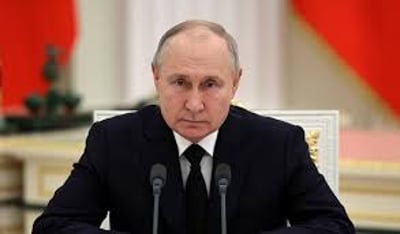
The geopolitical landscape shifted significantly this week following a marathon 90-minute telephone conversation between Russian President Vladimir Putin and US President Donald Trump on April 29, 2026. The call, initiated by Moscow, was described by Kremlin aide Yuri Ushakov as frank and businesslike, focusing heavily on the simmering conflicts in the Middle East and the ongoing war in Ukraine. While the two leaders found common ground on some issues, such as the strategic initiative of Russian troops in Ukraine, a sharp divergence emerged regarding Iran. Putin explicitly warned of inevitable and extremely damaging consequences for the global community should the United States and Israel pursue further military action against Tehran. This warning comes at a critical time when a shaky ceasefire is being tested, and it highlights Russia's intent to remain a key diplomatic broker in the region.
From a diplomatic perspective, this interaction reveals a complex dance between two of the world's most powerful leaders who are balancing personal rapport with rigid national interests. President Trump characterized the dialogue as very good, yet he maintained a transactional stance, telling the Russian leader that ending the invasion of Ukraine was a prerequisite for deep cooperation on Iran. This suggests that while communication lines remain open, the underlying friction points—specifically the five-year-long Ukraine war—continue to be the primary barrier to a broader grand bargain between Washington and Moscow. The fact that the call lasted 90 minutes indicates that these were not just superficial pleasantries but a deep dive into the mechanics of global security, even as Putin signaled that Russia is firmly committed to diplomatic efforts to prevent a wider Middle Eastern war.
The timing of this warning is particularly sensitive given the domestic shifts within Iran. Following the transition of leadership to Ayatollah Mojtaba Khamenei, Tehran has doubled down on its defiance, with the Supreme Leader recently declaring that Iran will protect its nuclear and missile capabilities as vital national assets. Putin’s intervention serves as a strategic shield for Iran, effectively telling the Trump administration that an attack on Iranian soil would not be a contained event but a global catastrophe. This creates a high-pressure environment for Trump, who is simultaneously trying to secure a wider deal to cement the current ceasefire while facing a Russian counterpart who is emboldened by tactical gains on the Ukrainian front.
Ultimately, the call underscores the fragility of the current international order. The warning of "extremely damaging consequences" is not just rhetoric; it is a calculated reminder of the interconnected nature of modern warfare, where a strike in the Persian Gulf could trigger economic or military ripples that destabilize the entire international community. As Trump moves forward, he must weigh the potential for a "disgraceful defeat" in negotiations against the risk of a multifaceted conflict involving both Russia and Iran. The 90-minute dialogue may have avoided immediate escalation, but it has clearly defined the high-stakes boundaries of 2026's global power struggle.