
'Phraand' Trump's 'Hellhole' Insult: Will PM Modi Stand Up for India’s Pride or Just 'Khi Khi' Away the Slurs?
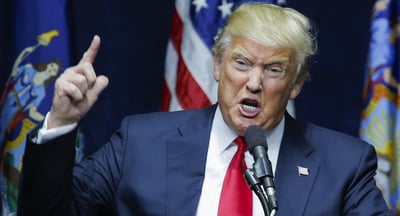
The geopolitical landscape was shaken this week when US President Donald Trump, known for his "Howdy Modi" camaraderie, reshared a deeply offensive transcript on his platform, Truth Social. The content, originally from conservative commentator Michael Savage, disparaged India and China by labeling them "hellholes on the planet." The controversy stems from a debate over birthright citizenship, where Savage—and by extension Trump’s platform—suggested that Indian immigrants are merely "dropping babies" in the US to exploit legal loopholes and facilitate "chain migration." For an Indian audience that has been told for years that India is a rising global superpower and a "Vishwa Mitra" (friend of the world), this description felt like a cold bucket of water. The insult didn’t just target the government; it targeted the identity of the Indian diaspora, portraying high-achieving professionals and families as opportunistic burdens. The fact that such a derogatory term was amplified by a man the Indian leadership has called a "true friend" has turned a standard social media post into a significant national grievance.
The reaction in India has been a tale of two extremes: diplomatic caution and political aggression. The Ministry of External Affairs (MEA), represented by Randhir Jaiswal, attempted to maintain decorum by calling the remarks "uninformed" and "in poor taste." However, this measured response was like pouring a cup of water on a forest fire. In the middle of high-stakes state elections, Opposition leaders, most notably TMC’s Mahua Moitra, seized the moment to question the Prime Minister’s perceived silence. Moitra’s viral "Khi Khi" remark—mocking the PM’s penchant for laughing and hugging Trump during global summits—has become the rallying cry for those who feel India’s response was too weak. The question being asked on every news channel and street corner is simple: If India is truly a global leader, why is it being insulted by its closest allies without a stern, face-to-face rebuttal? This internal pressure has forced the government to defend not just its foreign policy, but its very sense of national pride during a sensitive voting period.
Looking deeper into the situation, there is a clear tension between the "stadium diplomacy" we see on TV and the transactional nature of international relations. For years, the narrative in India has been built on the idea that the world finally respects us as equals. Yet, when a prominent American political figure uses such language, it exposes a harsh reality: in the world of populist politics, allies can be turned into punching bags whenever it suits a domestic voting base. The US Embassy’s rapid "clarification"—claiming Trump actually loves India—feels like a scripted bandage on a deep wound. It suggests that the relationship is currently based more on shared fears of China and trade needs than on genuine, deep-seated cultural respect. When the "America First" ideology clashes with "India First" aspirations, the results are these sudden, jarring insults that leave Indian diplomats scrambling to save face while the public feels betrayed.
Ultimately, this incident serves as a moment of truth for India’s standing on the world stage. It highlights the vulnerability of a foreign policy that leans too heavily on personal "buddy" relationships between leaders rather than institutional respect. While the strategic ties between New Delhi and Washington D.C. are too big to fail—thanks to defense deals and tech partnerships—the emotional bridge has certainly been damaged. The Indian electorate is no longer satisfied with backroom diplomatic notes; they want to see the "red-eye" diplomacy they were promised. Moving forward, the Indian government will have to balance its need for US support with a more vocal defense of its sovereignty and reputation. If the "Khi Khi" criticism proves anything, it is that in the modern age, a nation’s dignity is just as important to the voters as its GDP, and a "phraand" who insults you in public may not be much of a friend at all.