
Rajesh Mehta Gold Scam: SEBI Cracks Down On Rajesh Exports Causing Stock Market Confusion Over Modi Relation
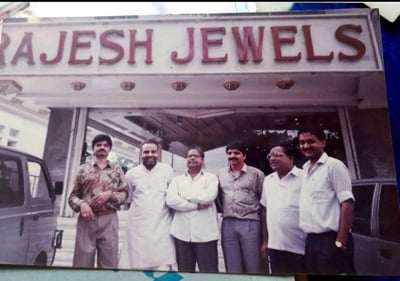
The ongoing financial investigation into Rajesh Exports Limited has moved rapidly beyond the borders of the stock market, transforming into an intense political talking point across the country. Following the massive one hundred and nine page interim directive from the Securities and Exchange Board of India, opposition political parties have initiated a fierce campaign questioning the historical proximity of corporate leadership to top national administrators. This sudden focus has brought old public appearances and archive photographs featuring billionaire executive Rajesh Mehta alongside Prime Minister Narendra Modi back into the public eye. Historically, these visual moments symbolized a strong relationship built on national industrial goals, where a rapidly growing domestic gold powerhouse was frequently showcased as a premier champion of indigenous manufacturing excellence. This visible corporate alignment peaked dramatically in twenty twenty-two when the Ministry of Heavy Industries officially awarded the enterprise a highly coveted position within the eighteen thousand one hundred crore rupee Production Linked Incentive scheme for advanced battery storage, elevating the jeweler to the same economic standing as India's absolute largest multi-industry conglomerates.
The unfolding situation highlights a profound and sudden shift in how these corporate relationships operate under intense public scrutiny. While old photographs documented a time of high mutual trust and economic collaboration, the current political landscape tells a completely different story. Opposition leadership has seized upon the regulatory watchdog's findings to launch direct attacks, demanding answers on how public institutions like the Life Insurance Corporation of India aggressively expanded their ownership stake in the gold firm to over ten percent while mainstream mutual funds completely exited the stock. The political backlash focuses heavily on whether past administrative proximity allowed the business to enjoy prolonged periods of light-touch regulatory oversight before the current fifteen point fifteen lakh crore rupee revenue reporting gap was officially flagged. Government representatives have responded by moving decisively to distance the current administration from the corporate group, actively fast-tracking legal steps to completely revoke the company's manufacturing beneficiary status and initiating a separate, deeper corporate affairs ministry probe into the underlying ledger accounts to protect public funds.
An objective examination of this corporate governance crisis reveals a deep systemic tension between high-profile industrial promotion and strict regulatory enforcement. The corporate leadership continues to maintain its absolute innocence, publicly arguing that the entire controversy is born out of a technical misunderstanding where investigators mistakenly swapped operating profitability data with total top-line international turnover numbers from their Swiss refining branch, Valcambi SA. However, the presence of deeply compromised internal financial patterns makes this simple communication gap defense incredibly difficult to sustain. Regulators have meticulously uncovered massive circular trading loops with local brokerages alongside hundreds of crores in direct cash diversions flowing into the personal banking accounts of the promoter without any valid authorization from the board. This severe lack of corporate transparency shows that the previous public praise and high-profile policy awards were built upon an incredibly fragile financial foundation. Ultimately, while past photographs captured an era of grand economic promises, the current aggressive regulatory crackdown demonstrates that political alignment can no longer shield a corporate empire when basic financial integrity completely collapses.