
Saudi Arabia Launches Strikes On Houthi Targets Following Red Sea Oil Tanker Attack
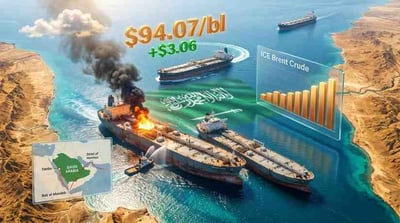
On 24 July 2026, Saudi military forces launched direct airstrikes against Houthi insurgent positions across rebel-controlled territory in Yemen. The military intervention followed a major maritime assault in the Red Sea on 23 July 2026, where Houthi rebels deployed ballistic missiles, cruise missiles, and uncrewed aerial drones against Saudi oil tankers, including the Encelia and the Layla. The maritime strike set the bow of the Encelia ablaze approximately 130 kilometers off the Saudi coast near Al Shuqaiq, prompting emergency Mayday signals across regional maritime networks. While official reports confirmed that all crew members survived without fatal casualties, the bold maritime aggression forced multiple international commercial vessels to alter their navigation routes away from the vital Bab el-Mandeb Strait.
The escalation represents a direct challenge to regional energy supply chains and maritime security protocols. Following the declaration of a naval blockade on Saudi-bound shipping by Houthi leaders on 20 July 2026, the rebel movement claimed responsibility for the tanker strikes, framing the action as retaliation for ongoing administrative and air restrictions surrounding Yemen capital city of Sanaa. In response, Saudi defense capabilities engaged strategic Houthi launch infrastructure, drone assembly facilities, and coastal radar installations along the Red Sea coastline. The exchange pushed global energy markets higher, with Brent crude futures surging past 98 dollars per barrel as international shipping operators voiced deep concern over the safety of commercial transit through secondary trade bypasses like the port of Yanbu.
The military friction unfolding off the Arabian Peninsula coincides with a broader regional conflict involving international forces across the Middle East. United States Central Command forces conducted their 12th consecutive night of targeted strikes against Iranian military assets, warning that proxy groups interfering with international navigation will face severe military consequences. US President Donald Trump publicly issued stern warnings that continued strikes on commercial shipping would trigger direct retaliation against key infrastructure networks, underscoring the high strategic stakes. Diplomatic envoys from neighboring Gulf nations continue calling for immediate restraint to prevent a total collapse of maritime trade through crucial chokepoints that carry nearly 12 percent of global commercial trade.
This rapid military escalation highlights the extreme fragility of maritime trade security in critical transit corridors. While military strikes against launching facilities aim to disrupt rebel offensive capabilities, reliance on direct force carries substantial risk of prolonged regional conflict. Furthermore, the vulnerability of energy transport routes demonstrates how non-state actors equipped with asymmetric technology can impact global supply chains and drive international energy inflation. Achieving long-term maritime stability will require robust defensive coordination alongside diplomatic efforts to address root political grievances before regional trade channels face complete disruption.