
Tata Motors Iveco Joint Venture Invests 1.5 Billion Euros Yearly In Green Commercial Vehicle Race
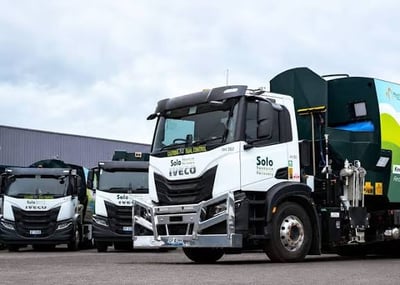
Tata Motors and global commercial vehicle giant Iveco have joined hands to change the face of road transport across international markets. The two major vehicle makers have decided to pool their technical power together in a massive step toward cleaner roads and smarter freight trucks. Under this major collaboration, both companies will deploy up to 1.5 billion euros every single year into shared research and development. This heavy investment will directly target the growing demand for zero emission commercial vehicles, alternative fuel engines, and modern software driven transport systems.
The worldwide transport sector is facing strict rules to clean up exhaust gases and protect the air. Big freight trucks and commercial vans carry almost all goods people consume every day, from grocery supplies to heavy construction materials. However, traditional diesel engines produce heavy amounts of harmful smoke. Transport operators and fleet owners now need cleaner choices that do not harm their daily business profits. By bringing their resources into a single joint engine of engineering, Tata Motors and Iveco want to give logistics companies durable, clean vehicles that cost less to run over many miles.
Clean transport engineering is expensive and demanding. Developing new battery packs, hydrogen storage, and specialized vehicle control computers takes huge amounts of money and hundreds of skilled engineers. When two massive vehicle builders pool their engineering funds together, they can avoid doing the exact same research work twice. This smart pooling of money allows both brands to move much faster than rival manufacturers who are trying to solve complex engineering puzzles on their own.
A primary focus area under this combined yearly funding is zero emission powertrains. Powertrains include the electric motors, drive shafts, and battery setups that deliver moving power to vehicle wheels. Building a battery powerful enough to pull a 40 ton freight truck across long highway journeys requires specialized chemical science and strong physical cooling. Through this partnership, engineers will work side by side to create lighter battery packs that charge rapidly at highway charging points and last for many years of non stop work.
The joint project also looks deeply into alternative fuels. Pure battery power works well for smaller delivery vans inside busy cities, but heavy freight moving across states and countries often needs another solution. Fuels such as hydrogen and compressed gas give trucks long operating range without producing thick toxic smoke. Iveco brings years of European experience in alternative fuel commercial transport, while Tata Motors brings vast manufacturing scale and deep technical knowledge of demanding emerging markets.
Modern road transport relies heavily on digital technology, making software defined vehicles another major pillar of this agreement. In simple terms, a software defined vehicle uses computer programs rather than physical parts to manage most of its functions. A modern truck can receive software updates over the air just like a smart mobile phone. These digital updates can make the engine use less fuel, give the driver better safety tools, detect worn out parts before they break, and connect whole fleets directly to central company logistics hubs.
Trucking businesses often work on very tight money margins. Fuel expenses and unexpected mechanical breakdowns can destroy a transport firm within weeks. By investing heavily in smart computer programs and cleaner fuel setups, the new vehicles will notify fleet managers about servicing requirements days in advance. Drivers will also get intelligent dashboard assistance that helps them choose the smoothest driving paths, reducing wear and tear on wheels, brakes, and electrical motors.
Independent market observers note that commercial transport rules are tightening rapidly across Europe, India, Asia, and the Americas. Governments are setting strict zero emission deadlines, warning that traditional smoke producing diesel trucks will face heavy fines or bans from city centers. Vehicle manufacturers that do not prepare today risk losing their customers tomorrow. By putting up to 1.5 billion euros per year into development, Tata Motors and Iveco are building a protective wall around their market positions.
The union of these two automotive powerhouses signals an important shift in how global car and truck businesses work together. Instead of fighting alone in costly research laboratories, large groups are forming direct alliances to share high risks and split the cost of modern invention. The benefits from these shared research labs will gradually trickle down to ordinary buyers and small enterprise drivers who rely on delivery trucks for their daily income.
In the coming periods, commercial transport operators will begin to see new vehicle designs coming out of this joint engineering pipeline. From quiet city delivery vans to massive highway freight carriers, the road transport industry is entering a brand new era. Tata Motors and Iveco have placed their financial bet on a cleaner, electric, and connected transport future, setting a clear pace for the rest of the global commercial vehicle industry to match.