
Tear Gas and Baton Charge in New Delhi as Cockroach Movement Youth March to Parliament on 20 July 2026
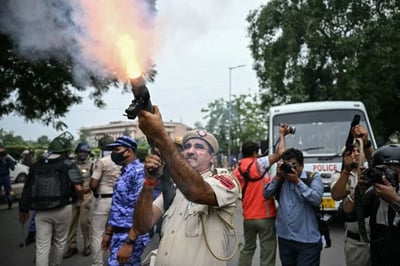
The streets near Jantar Mantar in central New Delhi transformed into a scene of intense commotion on 20 July 2026 as law enforcement officers deployed tear gas canisters and charged with wooden batons to disperse thousands of young demonstrators. The peaceful gathering quickly escalated into chaotic scuffles when groups of energetic activists tried to push past heavy metal barricades erected just 2 kilometers away from the Parliament building. Demonstrators of all ages, ranging from college students and young professionals to families carrying small children, had assembled under the banner of the youth-led Cockroach Janta Party to demand accountability for nationwide paper leaks in medical entrance exams like NEET and civil service job tests.
The unusual name of this political force carries a deep back story that began in May 2026 when a senior judicial figure made a passing remark comparing unemployed young people to cockroaches during a court hearing. Rather than feeling insulted, millions of frustrated job seekers across the nation embraced the label with sharp satire, turning an insult into a rallying cry for radical political transparency. The momentum behind the group intensified drastically over recent weeks following the forced removal of activist Sonam Wangchuk, aged 59, who was taken from his peaceful 20 day hunger strike location and placed into hospital custody on 18 July 2026. That controversial police action sparked widespread outcry across universities, prompting leaders like Abhijeet Dipke to call for a mass march directly to the heart of government authority.
On the morning of 20 July 2026, thousands of supporters filled the designated protest area, waving banners, shouting slogans, and demanding the immediate resignation of Education Minister Dharmendra Pradhan. Protesters also called for comprehensive structural changes to national testing bodies along with direct financial compensation for families of students who tragically died by suicide after losing their life savings to leaked exam scandals. Tension boiled over around midday when lines of young protesters wearing improvised protective gear locked arms and pushed against steel riot shields. Security personnel responded swiftly with tear gas shells that filled the afternoon sky with thick white smoke, causing crowds to scatter into side alleys while officers detained dozens of bleeding activists.
This public display of anger highlights a growing structural disconnect between India modern administrative institutions and the aspirations of its massive young population. When millions of educated candidates spend years preparing for competitive examinations only to see question papers sold illegally on social messaging platforms, public trust in state authority shatters completely. The rapid rise of a satirical organization into a serious protest force shows how digital native generations can mobilize around shared frustration, transforming online memes into physical street power that can challenge established political leaders.
While the government has initiated preliminary outreach toward representative leaders of the group to cool tensions, relying on physical force and riot control measures may offer only a temporary pause to a much deeper social crisis. Public institutions must understand that suppressing street demonstrations does not erase the economic anxiety caused by severe job scarcity and systematic administrative failures. Rebuilding long term public trust will require concrete institutional reforms, total transparency in national testing procedures, and genuine empathy toward millions of young citizens who simply seek a fair opportunity to build their futures.