
Tirupati Balaji Temple In Assam Tirumala Tirupati Devasthanams Takes Land For Northeast First Sri Venkateswara Shrine In Guwahati
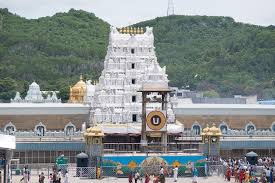
The spiritual landscape of Northeast India is on the verge of a major transformation as the Tirumala Tirupati Devasthanams takes official possession of a prime land parcel in Assam to build a grand replica temple of Lord Venkateswara. The Assam government formally handed over the land possession certificate for a 10.33 acres plot located at Amerigog village within the Sonapur Circle of Kamrup Metropolitan district. This landmark handover was executed by the Assam Metropolitan Deputy Commissioner directly to a high level delegation led by the newly appointed Tirumala Tirupati Devasthanams Trust Board Chairman B R Naidu on June 9, 2026. The completion of these administrative and registration formalities clears the deck for the foundation stone laying ceremony, known locally as the Bhoomi Puja, which officials confirm will be performed very shortly. This ambitious project marks the official entry of the world famous Tirupati temple administration into the northeastern states, fulfillling a long standing demand of millions of regional devotees who find it difficult to travel to the original hilltop shrine in Andhra Pradesh.
The selection of the specific site reflects a deep understanding of both aesthetics and accessibility, positioning the upcoming religious complex on a highly panoramic valley situated along the border of Assam and Meghalaya near the national highway. This picturesque location mirrors the serene and elevated natural environment of Tirumala, offering a spiritually uplifting setting for incoming pilgrims. The project is the direct outcome of strategic high level diplomatic discussions that began last year when the temple trust leadership met with Assam Chief Minister Himanta Biswa Sarma to request suitable land. The initial planning gained immense momentum under the direct guidance of Andhra Pradesh Chief Minister N Chandrababu Naidu, who has actively promoted a nationwide campaign to establish at least one major replica Tirupati Balaji temple in every single state capital and Union Territory across India. According to the structural master plan prepared by the engineering department, the Guwahati spiritual hub will not just feature the central sanctum sanctorum but will also include a traditional holy water tank called a Pushkarani, a massive pilgrim amenities complex, staff quarters, and dedicated facilities to run a daily free meal distribution service known as Annadanam.
While the administrative machinery is moving with incredible speed, a deeper look at this development reveals an intricate mix of socio religious engineering and cultural diplomacy. By embedding a high profile South Indian temple administration into the heart of the Northeast, the project serves as a powerful cultural bridge connecting two distinct geographic and traditions of India. Guwahati is already globally renowned for the ancient and highly revered Maa Kamakhya Temple, and adding a grand Tirupati Balaji shrine nearby creates a mega spiritual circuit capable of boosting local religious tourism exponentially. However, executing a project of this magnitude in a ecologically sensitive hill valley requires careful handling, as massive influxes of national tourists can strain regional infrastructure and transport networks. Observers note that while the state government has been exceptionally generous in fast tracking the free allocation of valuable land, the true test lies in how smoothly the construction aligns with local environmental norms and whether the local civic bodies can develop adequate supporting roads and public utilities to prevent massive traffic bottlenecks near the highway.
Looking at the broader picture, the establishment of this replica shrine is a masterstroke in decentralized religious accessibility, effectively bringing the deity directly to the doorsteps of the people. For decades, lakhs of devotees from states like Assam, Arunachal Pradesh, Meghalaya, and Nagaland have faced massive logistical and financial hurdles in planning a pilgrimage to the actual Tirumala hills in the south due to the sheer geographical distance. This local alternative completely eliminates that barrier, democratizing the spiritual experience and expanding the spiritual footprint of the cash rich Andhra trust. The long term success of this multi crore regional expansion will ultimately depend on how well the incoming management integrates with the local communities and traditions of the Northeast rather than operating as an isolated external entity. As the blueprint transitions from paper to real brick and mortar structures in the coming months, this institutional collaboration between the governments of Assam and Andhra Pradesh stands out as an excellent blueprint for interstate cultural partnership, setting a brand new benchmark for how religious tourism can be leveraged to foster national integration.