
Massive U Turn On Green Card Rules Most Immigrants Allowed To Stay In America
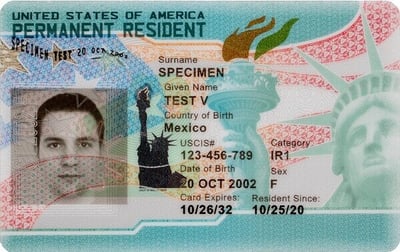
A wave of relief has swept through the international community living in the United States following a major clarification regarding permanent residency applications. Just days prior, an official announcement from the immigration authority suggested a strict enforcement shift that would require temporary visa holders to return to their native countries to await green card approvals. This unexpected directive sent shockwaves through hundreds of thousands of foreign professionals, students, and family members who feared sudden disruption and long term separation from their lives in America. However, the Department of Homeland Security intervened to ease these mounting anxieties by walking back the absolute nature of the initial order.
The sudden policy pivot centers on a process known as adjustment of status, which historically has permitted eligible individuals to safely transition to permanent residency without departing American soil. In recent years, more than half of the nearly one point four million green cards granted annually were issued to individuals already residing within the country, heavily supported by corporate sponsorships or close family ties. The initial directive aimed to restrict this pathway by declaring that temporary residents must pursue processing at consulates abroad, aiming to close perceived administrative loopholes. Following immense pushback from business leaders, legal advocates, and lawmakers, authorities clarified that the instructions were merely a reminder of the existing case by case discretionary powers held by immigration officers rather than a blanket eviction mandate.
This swift clarification highlights a delicate balancing act within current immigration enforcement, revealing how broad political directives can clash with economic realities. Forcing highly skilled professionals, particularly those on H 1B visas, to leave the country would have created severe backlogs at foreign consulates and introduced immense instability for American employers. Fortunately, established legal frameworks like the dual intent principle inherently protect workers on specific professional visas, as the law explicitly allows them to maintain temporary status while actively pursuing permanent residency. By shifting the focus away from a universal requirement to an individualized review process, the government appears to be targeting specific vulnerabilities, such as visa overstays or dependency on public assistance, rather than penalizing the wider pool of legal, taxpaying immigrants.
While the immediate panic has subsided, the administrative shift still introduces a higher level of uncertainty and scrutiny for future applicants. Immigration officers now possess renewed emphasis on their discretionary authority, meaning individual applications will likely face much tighter evaluation regarding why the adjustment is being completed inside the country. Legal experts advise a cautious approach, as the lack of explicit, uniform rules leaves significant room for varied interpretations on the ground. Ultimately, the recent clarification serves as an essential safety net that prevents immediate chaos and preserves the vital contributions of foreign professionals, but it also signals a transition toward a much more demanding and tightly monitored legal immigration landscape.