
Umar Khalid and Sharjeel Imam Demand Freedom Citing 6 Years In Jail Without A Trial: Is Judiciary Working Under Pressure of Modi Govt?
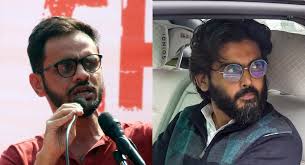
Umar Khalid and Sharjeel Imam have officially initiated a fresh legal battle for their freedom by filing new regular bail applications before the Karkardooma Court in Delhi. Additional Sessions Judge Dr. Sumedh Kumar Sethi issued an immediate notice to the Delhi Police demanding a comprehensive written response and set the next crucial hearing date for July 4, 2026. This aggressive legal move occurs exactly 6 months after the Supreme Court of India dismissed their previous bail petitions on January 5, 2026, ruling at the time that a preliminary case existed against them under the anti terror law. The decision of these 2 prominent activists to quickly re engage the lower judiciary highlights an escalating institutional struggle regarding how long the state can hold citizens without proving a crime. By bringing the matter back to the trial court, the defense intends to force a direct evaluation of prolonged pretrial detention, placing immense structural pressure on the prosecution to justify the endless delays in the case.
Umar Khalid and Sharjeel Imam have centered their entire legal argument on a massive, undeniable change in factual circumstances, pointing to the total stagnation of the lower court proceedings. Sharjeel Imam has now spent nearly 6 years in continuous custody, yet the trial has failed to make any meaningful progress, remaining stuck at the preliminary stage of arguments concerning the formal framing of charges. The defense teams argued that with more than 100 co accused individuals, thousands of listed state witnesses, and mountains of police paperwork, a standard trial cannot realistically finish within the current decade. Examining this prolonged timeline reveals a troubling systemic reality where the legal process itself morphs into a severe form of non bailable punishment. When individuals are kept separated from society for over half a decade based completely on an unproven police theory, it compromises the core democratic understanding of fairness, turning the statutory presumption of innocence into a completely meaningless phrase.
Umar Khalid and Sharjeel Imam are basing their renewed optimism on a series of extraordinary subsequent legal shifts initiated by the Supreme Court itself. In May 2026, during the landmark Tasleem Ahmed case, a coordinate bench of the highest court openly questioned the exact judicial reasoning that was utilized to deny bail to Khalid and Imam earlier in the year. The apex court forcefully reiterated that the constitutional principle where bail is the rule and jail is an exception must apply to all cases, emphasizing that national security laws should never be twisted into an instrument for indefinite detention without a trial. Furthermore, the supreme judiciary has referred this specific systemic gridlock to a much larger bench to finally determine whether statutory restrictions on bail under the Unlawful Activities Prevention Act can legally override Article 21 of the Indian Constitution. This progressive shift in the higher judiciary provides a solid foundation for the argument that holding individuals indefinitely when a speedy trial is impossible is a direct violation of fundamental human liberties.
Umar Khalid and Sharjeel Imam were originally arrested under the controversial FIR 59 of 2020, which contains allegations from the Delhi Police Special Cell that the massive public protests against the Citizenship Amendment Act were a front for a pre planned conspiracy that caused communal violence, resulting in 53 deaths and 700 injuries. While the state insists that both activists occupied a higher tier in organizing this violence, the defense has consistently demonstrated that the prosecution lacks direct physical evidence linking either individual to the actual riot sites. While the government possesses a clear responsibility to maintain public order and prosecute rioters, using sweeping conspiracy laws to lock up political dissenters for 6 years without a trial sets a dangerous precedent for democratic freedoms. This prolonged delay inevitably prompts critics and civil society to ask a difficult question: Is the judiciary working under pressure of Modi govt? As the Karkardooma Court prepares to take up the matter in July 2026, the entire Indian judicial framework faces a ultimate test to see if it can successfully protect national security without sacrificing the basic human rights of its citizens.