
US Changes Green Card Rules Forcing Temporary Visa Holders To Apply From Home Countries
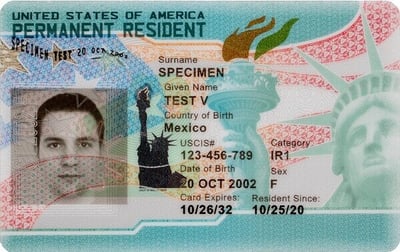
The United States government has sent shockwaves through the global community by issuing a sweeping new policy memorandum that drastically alters the path to permanent residency for foreign nationals. Under the freshly updated rules released by the US Citizenship and Immigration Services, individuals currently inside the country on temporary visas will no longer find it easy to transition to permanent residency from within American borders. The federal agency explicitly stated that foreign nationals wanting a Green Card must now return to their respective home countries to complete their applications through consular processing, unless they can prove extraordinary circumstances. This abrupt shift redefines the traditional adjustment of status process, transforming what was once a common administrative path into an exceptional form of relief that immigration officers will grant only in highly restricted, case by case scenarios.
The immediate fallout of this policy change targets hundreds of thousands of non-immigrant visa holders currently residing in America, including international students, temporary workers, and tourists. According to federal immigration officials, these temporary visa categories were always legally expected to be temporary, meaning individuals should naturally head back to their native countries once their authorized stay concludes. By enforcing this strict border exit mandate, the government aims to eliminate what it describes as widespread systemic loopholes that allowed visitors to bypass standard consular queues abroad. Federal spokespeople argued that the updated enforcement framework helps ensure the immigration system functions exactly as lawmakers originally intended, preventing applicants from slipping into the shadows or remaining in the country illegally if their permanent residency requests face rejection.
While government officials defend the restriction as a vital measure to reduce administrative backlogs and free up valuable agency resources for naturalization and humanitarian cases, the policy introduces severe complications for foreign professionals and global businesses. Critics point out that forcing highly skilled workers, such as tech professionals on temporary work visas or top tier university researchers, to abruptly leave their jobs and families to wait out lengthy processing times abroad could trigger massive corporate disruption. The decision showcases a highly aggressive pivot toward restrictionist immigration enforcement, reflecting a broader administration effort to tighten borders and limit long term domestic residency pathways. Furthermore, requiring applicants to process everything via overseas consulates shifts a massive operational burden onto the State Department, potentially creating unprecedented bottlenecks at embassies worldwide.
This dramatic regulatory shift arrives at a highly sensitive diplomatic moment, especially as the United States looks to navigate complex bilateral relations with major international partners. The timing of the announcement is particularly noteworthy for nations that send vast numbers of students and high skilled tech workers to America, as thousands of families now face sudden professional instability regarding their long term legal status. As immigration lawyers scramble to interpret what qualifies as an extraordinary circumstance, temporary residents across the country are left facing immense anxiety over their futures. By dismantling the standard internal route to a Green Card, the administration has effectively signaled a new era of strict compliance, forcing the global workforce to completely rethink how they navigate the complex landscape of American immigration.