
Why Modi And BJP Have Not Declared Cow As National Animal Despite Mob Lynching In BJP Ruled States
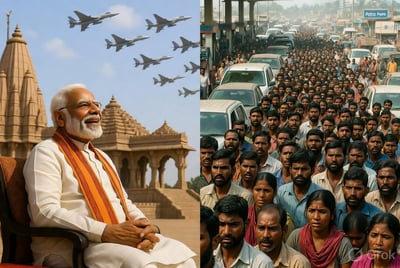
The debate surrounding cultural preservation and legal frameworks has intensified across India, leading many to question why Prime Minister Narendra Modi and the ruling party have not declared the cow as the national animal. Prominent organizations frequently demand a central law to grant this status, believing it would create a uniform policy across the country. The topic remains highly charged because the ruling administration holds a strong ideological commitment to cattle protection, which makes the absence of a formal national declaration a point of major public discussion. Observers note that while the demand carries immense emotional weight among the core voter base, the central leadership has consistently maintained a strategic silence on passing an overarching national legislation. This hesitance highlights a deep internal conflict between regional power dynamics and national ideological goals.
A primary reason for this calculated delay is the critical need to protect the ruling party’s vote bank in unique border and coastal states where the majority of the population consumes beef. In regions like Goa, Assam, Arunachal Pradesh, Mizoram, Nagaland, and Meghalaya, beef is an integral part of the daily diet and indigenous traditions. The ruling party has successfully formed stable governments or powerful ruling coalitions in these states by explicitly assuring local communities that their dietary choices and trade habits will remain untouched. Enforcing a blanket national animal status or a uniform nationwide ban would instantly shatter these regional political alliances. The central leadership is fully aware that pushing a rigid mainland ideology onto these culturally distinct states would alienate minority populations, completely destroy their local vote banks, and cause them to instantly lose administrative control over these strategically vital border regions.
Compounding this policy dilemma is the alarming rise of vigilante violence and mob lynching incidents, which have created a massive political liability for the government. Major incidents over the years in states like Uttar Pradesh, Haryana, Rajasthan, and Madhya Pradesh have drawn severe domestic and international criticism. In many of these cases, unruly crowds have taken the law into their own hands based on mere rumors of cattle smuggling or meat possession, resulting in tragic fatalities and intense social unrest. Critics argue that local law enforcement agencies have struggled to control these decentralized vigilante groups effectively. This failure has triggered a growing concern within the party leadership that if localized violence continues to escalate unchecked, the public backlash over deteriorating law and order could severely damage their governance reputation and cause them to lose electoral power in key assembly and national elections.
From an administrative and economic standpoint, declaring the cow as the national animal without addressing these ground level law and order challenges risks escalating dangerous polarization and administrative instability. The central machinery must balance traditional mainland sentiments with the political reality of maintaining a diverse electoral coalition. If the administration officially changes the status of the animal at the national level, it would inadvertently legitimize vigilante groups, further inflaming regional tensions and highlighting critical governance gaps. Therefore, to safeguard its electoral dominance across both beef consuming states and traditional strongholds, the administration prefers a highly flexible, decentralized approach, leaving individual state legislatures to handle cattle protection policies based entirely on local consensus and policing capabilities.