
Will The New 14 Point Deal Between The US And Iran Truly Bring Lasting Peace Or Just A Temporary Pause in Conflict
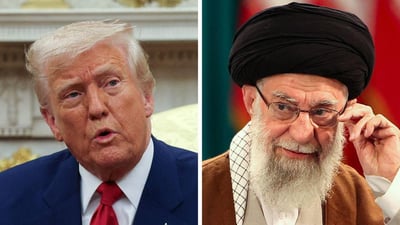
The global community is watching closely as the United States and Iran prepare to sign a historic 14 point draft memorandum of understanding on June 19, 2026, in Switzerland. This unexpected diplomatic breakthrough aims to immediately halt a destructive 4 month war triggered by intense regional conflicts. At its core, the preliminary agreement demands an immediate and permanent end to military operations on all fronts, explicitly extending to Lebanon. For a world economy battered by skyrocketing energy costs, the most significant highlight is the planned reopening of the Strait of Hormuz within 30 days. Iran has committed to clearing mines and resolving technical obstacles in this vital waterway, through which 1 fifth of the world oil trade passes. In return, the United States will completely lift its naval blockade and pause any new deployments or economic penalties, throwing a lifeline to global shipping lines and energy dependent nations.
Beyond the immediate silencing of guns, the economic incentives embedded in this draft are massive yet highly controversial. The framework outlines the phased release of 24 billion to 25 billion dollars in frozen Iranian assets overseas, with Tehran firmly demanding half of that liquidity upfront before final negotiations begin. Furthermore, the document mentions a stunning 300 billion dollar comprehensive reconstruction package backed by Washington and its regional partners to rebuild the Iranian economy. However, this specific provision has already exposed friction, as US President Donald Trump publicly dismissed the fund as a mere rumor, declaring that western capital will not be directly invested. This public disconnect reveals a deep narrative war, where Washington frames the deal as a strict performance based arrangement requiring verifiable steps, while Tehran showcases it as a major political victory that guarantees immediate financial recovery.
The true test of this interim framework lies in the strict 60 day negotiating window established to secure a permanent treaty. While Iran has reiterated its commitment under the Nuclear Non Proliferation Treaty to never develop nuclear weapons, the draft leaves critical gaps regarding uranium enrichment limits and international inspections. Alarmingly, Iranian media reports indicate that Tehran has successfully excluded its ballistic missile program and its financial support for regional armed networks from the upcoming negotiation agenda. This omission is a severe gamble. By focusing entirely on maritime access and immediate economic relief while leaving Iran core military capabilities untouched, the agreement risks treating the visible symptoms of regional instability rather than curing the underlying geopolitical disease.
As diplomatic teams head to the secluded Burgenstock resort near Lucerne for the final signing ceremony, the path ahead remains filled with immense challenges. US allies, particularly Israel, view the inclusion of a Lebanese ceasefire with deep skepticism, and internal friction within the Iranian military establishment could still disrupt the process. If both sides fail to transition from this temporary truce to a detailed, enforceable nuclear pact over the next 2 months, the current drop in oil prices could quickly reverse. This 14 point memorandum is not a final declaration of peace, but a fragile bridge over a dangerous divide. Only absolute compliance and transparent verification will determine if this moment marks the beginning of a stable era or simply a brief pause before an even larger regional explosion.