
12:09 PM Indonesia Earthquake 5.7 Magnitude Shakes Region Following Deadly 7.7 Tremor
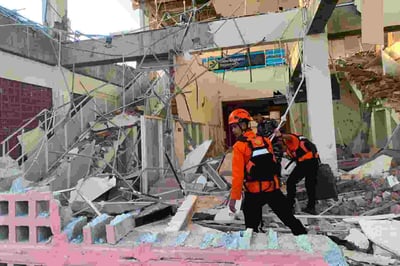
Indonesia Earthquake 5.7 magnitude tremors have once again shaken local populations, bringing renewed fear to a region already struggling to recover from a devastating 7.7 magnitude earthquake. The latest seismic activity has sent shockwaves across affected communities, causing residents to rush out of their homes into open streets in search of safety. Emergency response teams and geological survey departments are closely monitoring the situation to assess fresh structural damage, evaluate potential casualties, and ensure public safety during these ongoing tremors.
The recent 5.7 magnitude earthquake arrived while rescue workers were still clearing debris and providing medical support following the massive 7.7 tremor. In many towns, people had barely begun to process the destruction of their homes, local businesses, and public infrastructure when the ground started shaking again. Witnesses described a sudden, unsettling motion that made buildings sway, triggering immediate panic among citizens who fear stronger aftershocks might be on the horizon. Authorities have urged everyone to remain vigilant, avoid entering cracked or weakened structures, and follow safety instructions issued by disaster management agencies.
To understand why this island nation experiences such intense seismic activity, one must look at its geographic location on the Pacific Ring of Fire. Indonesia sits at the intersection of major tectonic plates, making it one of the most earthquake prone areas on the planet. When these massive tectonic plates shift, grind, or collide beneath the earth surface, immense energy is released in the form of powerful tremors. A 7.7 magnitude earthquake is considered a major seismic event capable of altering landscapes, collapsing heavy buildings, and triggering secondary disasters such as landslides or tsunami threats. The subsequent 5.7 magnitude tremor highlights how volatile the fault lines remain after a primary quake.
On the ground, human stories of survival and resilience continue to emerge despite the terrifying conditions. Families are sleeping in makeshift outdoor shelters, community centers, and open fields, choosing to brave the elements rather than risk staying under compromised roofs. Local volunteers, international relief agencies, and government officials are working around the clock to distribute clean drinking water, emergency food rations, medical supplies, and temporary tents. However, damaged roads, interrupted communication lines, and fear of ongoing aftershocks present significant hurdles for logistical teams trying to reach remote villages.
Beyond the immediate crisis, experts emphasize the urgent need for long term structural recovery and improved building standards in seismic zones. Rebuilding shattered communities requires not just financial resources, but also earthquake resistant construction practices that can withstand future tremors. Disaster preparedness training and early warning systems play a crucial role in saving lives when seconds count. As emergency crews continue their search and rescue efforts, the primary focus remains on keeping people safe, providing medical care to the injured, and helping affected families rebuild their lives step by step.