
Houthi Rebels Claim Fresh Drone Strike On Saudi Aramco Refinery In Escalating Red Sea Conflict
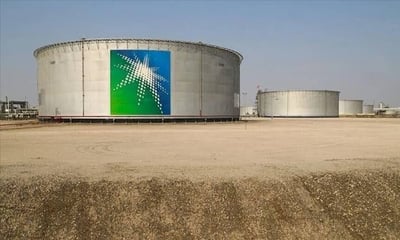
Yemen's Iran-backed Houthi group announced a fresh drone assault targeting a major oil refinery operated by Saudi Aramco in southwestern Saudi Arabia. A military source cited by the Houthi-run Saba news agency confirmed that a fleet of uncrewed aerial vehicles was deployed toward the facility in Jizan, asserting that the drones struck their targets with high precision. The rebel movement declared that the operation was carried out in direct retaliation for reported violations of Yemeni airspace by Saudi military aircraft over the northern provinces of Saada and Hajjah.
The announcement represents the latest wave in a heightened series of cross-border operations directed at Saudi Arabia's energy infrastructure along the Red Sea coast. Over recent weeks, the group has repeatedly targeted critical oil processing hubs, including previous strikes on the Jizan facility that triggered localized fires before being contained by Saudi emergency services. While the Houthis continue to report direct hits on key industrial assets, Saudi authorities have maintained silence regarding damage or operational disruptions from the latest claimed drone barrage.
The strike comes amid a broader collapse of calm across regional maritime and land fronts. The Houthis have intensified military activities against commercial shipping routes and coastal facilities, declaring maritime blockades parallel to wider regional conflicts. Simultaneously, violent clashes along internal Yemeni frontlines near key port cities like Mokha have resulted in significant military and civilian casualties, further dampening prospects for diplomatic de-escalation.
The strategic Jizan refinery, capable of processing hundreds of thousands of barrels of crude oil daily, remains a vulnerable point near the Saudi-Yemeni border. Security analysts observe that persistent drone and missile attempts on energy infrastructure pose continuous operational challenges for regional air defense networks. With diplomatic channels struggling to regain traction, ongoing military exchanges threaten both global energy supply lines and regional stability.