
Adani Group Plants Over 1 Million Trees To Make Chhattisgarh Coal Mine Green
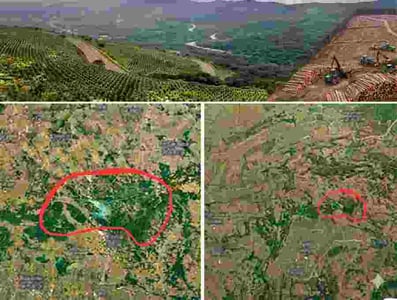
The environmental impact of large scale extraction activities has sparked a major shift toward ecological restoration in India coal rich belts. Adani Enterprises Limited has implemented a massive afforestation drive at the Parsa East and Kanta Basan mine located in the Surguja district of Chhattisgarh, transforming an active mining site into a green landscape. The company has successfully planted more than one point six million trees and saplings covering over five hundred sixty eight hectares of land. Operating as the mine developer and operator for Rajasthan Rajya Vidyut Utpadan Nigam Limited, the enterprise has adopted a strict environmental policy where forty new trees are systematically planted for every single tree removed during mining operations. This extensive restoration drive focuses heavily on introducing native forest species including Sal, Mahua, Tendu, Amaltas, and Sidha, with the project recording a commendable tree survival rate of approximately eighty eight percent so far.
This massive green initiative demonstrates how modern corporate entities are adjusting their operational strategies to meet strict environmental compliance and sustainability standards. The establishment of a dedicated three point five hectare nursery housing around five hundred thousand saplings shows a structured approach to continuous ecosystem regeneration, particularly in rebuilding the delicate local Sal forests. In addition to direct on site restoration, the group has carried out compensatory afforestation across more than four thousand hectares spanning multiple forest divisions such as Surguja, Korea, Balrampur, and Surajpur. Furthermore, financial contributions exceeding two hundred fifty nine crore rupees have been officially deposited with the Chhattisgarh state government to fund widespread forest cultivation, comprehensive wildlife management plans, and various long term environmental protection measures in the mining region.
While these massive tree plantation statistics present an encouraging picture of environmental recovery, the corporate driven greening process warrants a deeper structural look. Large scale industrial mining inherently alters local biodiversity, disrupts natural water tables, and changes the socio economic realities of indigenous communities who depend on ancient forest lands for their traditional livelihoods. Replacing dense, old growth natural forests with planned plantation patches is a complex ecological challenge, as newly planted saplings require decades to fully replicate the rich wildlife habitats and diverse ecosystems of original forest lands. Though the high tree survival rate and substantial financial investments demonstrate a serious technical commitment to land reclamation, balancing the urgent national demand for thermal coal power with absolute, long term ecological preservation remains a continuous struggle for project administrators.
Looking ahead, the successful green transformation of the Parsa East and Kanta Basan mining block serves as a useful practical reference for sustainable practices within the heavily scrutinized extractive sector. The initiative aligns closely with a broader corporate pledge to significantly expand green canopies across operational zones by the end of the current decade, aiming to push the local tree count past four million. This multi layered approach, which combines renewable energy adoption and local community support infrastructure alongside intensive replanting schedules, indicates that corporate accountability is moving beyond basic regulatory checklists. As India continues to balance domestic energy security with global climate commitments, the future of the industrial landscape will depend on how effectively these massive reclamation projects can truly restore regional biodiversity and support the long term welfare of forest dependent populations.