
After Japan Now Nepal Restrictions On Mangoes Leave Indian Exporters In Chaos Is The Modi Government Helpless
The global agricultural export market for Indian mangoes hit a period of intense turbulence following back to back disruptions in international shipments. Just days after Japan suspended imports of fresh mangoes from India for the current season due to chemical safety assessments, sensationalized reports emerged claiming that Nepal had completely blocked Indian mango entries over high residue levels and weak border check systems. These sudden regulatory developments triggered immediate panic among prominent mango producing hubs, most notably across the Malihabad belt of Uttar Pradesh, where legendary local growers of the Dasheri variety expressed severe anxiety over plunging domestic prices and deteriorating international credibility. The multi country border friction created an immediate sense of chaos, leaving traditional commercial traders deeply worried about losing highly lucrative regional consumer markets at the very peak of the seasonal harvest cycle.
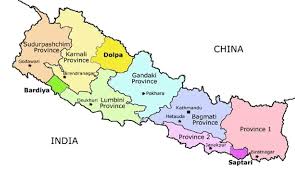
Seeking to contain the widespread panic and prevent further damage to India's agricultural reputation, the Ministry of Agriculture and Farmers Welfare issued a comprehensive diplomatic clarification to counter the misleading trade narratives. Official state communications confirmed that the Government of Nepal, operating via its National Plant Protection Organization, has not implemented any outright ban or suspension on the entry of Indian fresh fruits. Instead, Nepalese authorities have strictly tightened their domestic border compliance rules by introducing mandatory Hot Water Treatment protocols alongside aggressive Pest Risk Analysis measures. Under these updated guidelines, all incoming agricultural consignments must undergo specialized thermal processing in water maintained at 48 degrees Celsius for exactly 1 hour to neutralize potential larvae and pathogens. While actual trade movement continues to cross the borders, the sudden enforcement of these highly demanding technical standards without extensive prior bilateral warnings has heavily congested logistics networks and inflated basic handling expenses for local suppliers.
The strategic intervention by central authorities highlights the complex administrative tightrope the Narendra Modi led administration must navigate when handling modern non tariff trade barriers. Official data released by the central government indicates that bilateral fruit trade volumes have remained highly functional, with 149 distinct agricultural shipments delivering 2005 metric tonnes of mangoes to Nepal since January 2026, including 18 shipments totaling 266 metric tonnes during June 2026 alone. However, the recurring policy shocks from both Tokyo and Kathmandu reveal structural vulnerabilities within India's domestic agricultural quality assurance frameworks. While the central administration has actively registered its formal trade concerns through the World Trade Organization Sanitary and Phytosanitary framework, the domestic reality forces the state to quickly upgrade rural processing infrastructures to match evolving international biosecurity expectations.
The ongoing trade friction emphasizes the critical need for a major institutional overhaul in how India manages its cross border agricultural export infrastructure. Local farming bodies note that relying on traditional chemical treatments is becoming highly non viable as neighboring nations continuously elevate their sovereign food safety standards to insulate domestic markets. To prevent future market closures and protect the financial livelihood of millions of rural orchard workers, the central government must aggressively subsidize the setup of modern Hot Water Treatment facilities and state of the art quarantine laboratories directly at key border entry checkpoints. Only by enforcing flawless compliance with international phytosanitary certificates at the source can the country successfully protect its premium fruit export brands from damaging global restrictions and stabilize long term agricultural trade earnings.