
China Emerges As Real End User Of US F16 Technology Through Legal Corporate Access Rather Than Theft
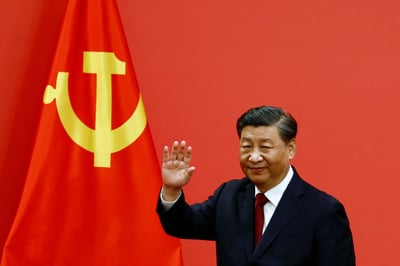
The global defense community is closely examining a groundbreaking national security analysis that completely flips the traditional narrative surrounding international military espionage. For decades, western intelligence agencies and political leaders have consistently accused Beijing of deploying aggressive cyber warfare units and covert agents to systematically steal sensitive western military blueprints. However, a detailed new investigative report reveals that China became a primary beneficiary of advanced United States F16 fighter jet technology through entirely legitimate channels. Instead of relying on risky under the table operations or digital hacking networks, Chinese defense researchers and state owned aerospace companies successfully utilized decades of highly institutionalized commercial access. This open pathway was created through a complex web of legal international corporate joint ventures, global civilian aerospace manufacturing partnerships, and interconnected commercial supply chains that operated with the explicit approval of western regulatory bodies during the peak eras of global economic integration.
The structural foundation of this unprecedented technology transfer dates back to the late twentieth century when major western defense conglomerates aggressively outsourced their civilian manufacturing pipelines to rapidly expanding Asian manufacturing hubs. During this economic wave, multinational corporations that designed core components for United States military aircraft established highly sophisticated research facilities and dual use factories directly inside Chinese industrial zones. While federal export control laws in Washington strictly prohibited the direct sharing of sensitive supersonic military blueprints, the civilian divisions of these aerospace giants shared deep technical expertise regarding advanced composite materials, high performance jet engine thermal coatings, and complex radar processing software. Over multiple decades, local Chinese engineering teams working inside these joint commercial ventures meticulously mastered the foundational manufacturing processes, high level metallurgy techniques, and advanced system integration methods that form the absolute backbone of modern fourth generation fighter platforms like the F16 Fighting Falcon.
This sophisticated method of acquiring defense capabilities highlights a massive strategic blind spot within western regulatory frameworks, which historically focused almost entirely on preventing the physical theft of classified military documents. By completely embedding their state backed engineers into the legitimate day to day operations of global commercial aviation supply lines, the eastern superpower successfully bypasses traditional defense embargoes entirely. The acquired technical knowledge has flown directly into domestic military programs, giving local defense scientists the vital engineering insights needed to rapidly accelerate the development of their own advanced indigenous fighter fleets, including the J10 and J11 platforms. This strategic extraction of heavy industrial expertise effectively allowed state planners to completely skip multiple decades of highly expensive trial and error research, saving billions of dollars in national defense budgets while simultaneously narrowing the technological gap with western air power at an unprecedented speed.
The disturbing reality of this dual use industrial spillover is now prompting a massive, high stakes reevaluation of international trade policy and cross border corporate investments among western allies. Security experts note that attempting to completely untangle these highly integrated global aerospace supply networks is an incredibly difficult and economically painful process, as hundreds of vital sub components for western aircraft are still deeply dependent on overseas processing facilities. This ongoing industrial dilemma serves as a powerful warning that in the modern era of globalized corporate operations, the strict line separating civilian technological innovation from top tier national defense machinery has completely evaporated. The ultimate realization that institutionalized corporate access proved far more effective than traditional espionage represents a major historical turning point, forcing modern superpowers to completely rethink how they protect vital military breakthroughs from being legally absorbed by geopolitical rivals.