
Apple iPhone 18 Pro Color Palette Leak Details New Premium Dark Cherry Aesthetics And Hardware Upgrades
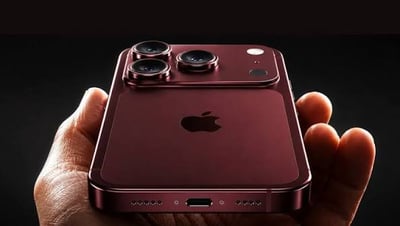
The global premium smartphone landscape is preparing for a massive shift as concrete details surrounding the highly anticipated Apple iPhone 18 Pro lineup surface across international supply chain networks. Recent high-volume data disclosures involving internal component molds and factory dummy models have offered an early, exhaustive glimpse into the consumer technology giant product roadmap for late 2026. While tech enthusiasts are accustomed to conceptual digital renders, these physical production leaks showcase refined styling changes designed to capture the attention of premium device buyers worldwide. The upcoming series will lock horns directly with next-generation flagship devices from competitors like Samsung and Google, placing immense pressure on the brand to deliver noticeable visual flair alongside substantial, generation-over-generation technical enhancements that validate the premium price tag.
The most visible talking point from the manufacturing leaks centers directly around a dramatic restructuring of the premium smartphone color hierarchy. Apple is preparing to introduce a highly stylized, wine-like signature finish officially designated as Dark Cherry. Grainy photographs of physical SIM trays shared by prominent industry tipsters on Weibo confirm that this new hero color behaves like a sophisticated, deep burgundy shade infused with subtle purple undertones that shift dynamically depending on environmental lighting conditions. This premium color will reportedly be accompanied by a frosted Cloud Blue finish and a classic metallic Silver layout. Interestingly, supply chain analysts suggest that a traditional dark charcoal or pure black option is completely absent from the final retail configuration. This bold choice positions the rich Dark Cherry option as the definitive alternative for consumers who traditionally prefer deeply saturated, dark-toned metallic aesthetics.
Beneath the sleek exterior, the underlying internal engineering represents a massive technological leap forward for the smartphone industry. The device will be powered by the all-new A20 Pro chip, representing the world first commercial application of TSMC ultra-advanced 2-nanometer silicon fabrication node. To smoothly process intensive local artificial intelligence algorithms without relying heavily on remote servers, the internal memory standard has been elevated to a generous 12GB of integrated RAM. The primary camera plateau is also receiving a dramatic overhaul, incorporating a DSLR-style mechanical variable aperture layout into the main 48-megapixel sensor, allowing photographers to physically adjust light intake. Furthermore, schematic dimensions show a slightly thicker 8.75mm metal chassis, a structural compromise made intentionally to house a massive 5088 mAh internal battery cell designed to permanently resolve day-to-day power anxiety for heavy digital consumers.
A critical analysis of this product strategy shows that Apple is taking a highly calculated gamble by choosing to build a slightly thicker, heavier device to prioritize long-term utility. For several design cycles, the industry chased ultra-thin form factors, which often limited structural space for advanced optics and robust battery packages. By stepping away from this restrictive philosophy, the manufacturer can successfully introduce complex mechanical parts like moving camera iris blades and larger power reservoirs that consumers genuinely value during long travel days. However, forcing buyers to accept heavier device footprints while completely removing standard neutral color tones like classic black might alienate minimalist purists who favor lightweight symmetry. Ultimately, if the real-world battery endurance and advanced photo quality live up to these ambitious laboratory blueprints, the device will easily set a formidable new benchmark for premium hardware engineering globally.