
Arvind Kejriwal Case Transfer To Justice Manoj Jain For Fresh Delhi High Court Hearing
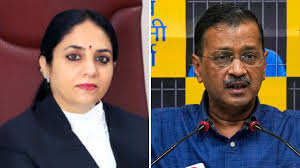
The political and legal landscape of the national capital has witnessed a major development with the formal announcement of the Arvind Kejriwal case transfer to Justice Manoj Jain of the Delhi High Court. This judicial reallocation follows an unprecedented standoff involving the previous roster bench of Justice Swarana Kanta Sharma, who chose to step away from the matter after initiating suomotu criminal contempt proceedings against senior leadership figures of the Aam Aadmi Party. The central issue centers on a revision petition filed by the Central Bureau of Investigation, which seeks to overturn a trial court landmark decision from February that discharged the Chief Minister along with twenty-two other individuals from serious corruption charges. With the files officially moved, a single-judge bench will now take charge of analyzing the volatile litigation that has kept the city administration entangled in controversy for months.
The dramatic chain of events leading up to this point highlights a deeply contentious battle inside and outside the courtroom premises. Initially, the legal team representing the political executives had filed applications demanding the recusal of the previous judge, citing concerns over an appearance of bias due to family professional roles and public associations. When those recusal pleas were firmly rejected, the dispute escalated into an official boycott by the accused leaders, who publicly stated they would no longer participate in the hearings before that specific bench. This internal friction spilled onto digital networks, with various social media posts, videos, and commentary criticizing the judicial institution. By withdrawing from the case while simultaneously opening criminal contempt charges before a separate division bench, the previous judge sought to protect the authority of the institution from what she described as a coordinated campaign of vilification, necessitating the swift change in the roster.
From an administrative and institutional viewpoint, this transition brings a necessary procedural reset to a case that has thoroughly tested the limits of judicial patience and recusal jurisprudence. On one side, the investigative agency is pushing hard to restore its core corruption case, arguing that the trial court observations were premature and failed to properly weigh the documentary evidence gathered during the multi year probe. On the other side, the ruling party in Delhi views the transfer as a significant development, reinforcing their narrative that the previous process lacked the appearance of absolute impartiality. The new presiding judge, who is already seasoned in handling complex political trials involving prominent national figures, faces the delicate task of cutting through the heavy layers of public rhetoric to evaluate the strict legal merits of the original discharge order.
Ultimately, the trajectory of this re-assigned litigation will carry profound structural consequences for the future of governance in Delhi and the operational boundaries of central investigative agencies. A confirmation of the discharge order by the new bench would deal a massive blow to the federal probe narrative, effectively validating the claims of political vendetta pushed by the opposition. Conversely, a reversal would drag the top executive leadership back into a stressful trial cycle, potentially disrupting administrative continuity yet again. As the legal teams prepare to present their fresh arguments before a new authority, the situation remains a powerful example of how heavily dependent the intersections of political accountability, public discourse, and the rule of law have become in modern governance.