
Is Chief Justice Surya Kant Working Under Modi Pressure After Shocking Cockroach Remark Against Activists
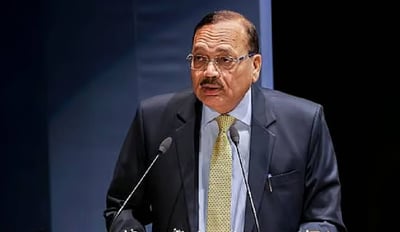
A massive political and social storm has hit the highest legal office of India following a highly controversial statement by the Chief Justice of India, Justice Surya Kant. During a heated Supreme Court hearing regarding a lawyer seeking a senior advocate designation, the top judge openly compared unemployed young citizens, Right to Information activists, and media professionals to cockroaches and parasites. The bench, which also included Justice Joymalya Bagchi, was visibly angry over the misconduct and social media posts of the petitioner, but the choice of words from the highest chair of justice has deeply shocked the nation. Legal experts, opposition leaders, and human rights watchdogs have raised massive concerns, stating that such degrading language from a constitutional head heavily damages the dignity of the Indian judiciary.
The public anger forced the top judge to issue a quick clarification stating his spoken words were misquoted by a section of the media. The official explanation claimed that the criticism was strictly aimed at individuals who enter noble professions like law and media using fake or bogus educational degrees to deliberately exploit the system. However, civil society groups are completely unwilling to accept this clarification, pointing out that using terms like vermin and insects has a dangerous historical pattern often linked to suppressing dissent. Critics argue that when the final guardian of citizen rights characterizes investigative reporters and whistleblowers as harmful pests, it sends a highly dangerous signal to local authorities and police forces across the country that these citizens do not deserve legal protection or human dignity.
This massive controversy has renewed the urgent debate surrounding the high number of targeted killings of whistleblowers and media personnel in the country. Independent watchdogs and civil society records show a terrifying pattern where more than 100 Right to Information activists and dozens of journalists have lost their lives over the last decade for exposing massive corruption, illegal mining, and financial scams. Investigative reporters working at local levels face extreme safety threats, and the conviction rates for their attackers remain shockingly low. By dismissing active citizens who ask difficult questions as jobless individuals attacking the establishment, the highest court seems to be downplaying the immense risks these brave individuals face daily while keeping local democracy alive.
There is a growing and intense public perception that the highest judicial office is working under extreme political pressure from the ruling Bharatiya Janata Party government led by Prime Minister Narendra Modi. Many legal analysts feel that the language used by the head of the judiciary directly mirrors the highly aggressive political rhetoric used by ruling party leaders against critics and independent voices. Instead of standing tall as an independent shield to protect ordinary citizens from state high handedness, the top court appears to be acting as an arm of the executive to silence questions. When the highest court demeans public accountability tools like the Right to Information Act, it shows a deep decline in judicial neutrality and leaves citizens wondering if the ultimate protector of the constitution is now shielding powerful political masters instead of upholding democracy.