
Arvind Kejriwal Hits Delhi Streets To Confront Fuel Station Crisis Over Engine Damage Allegations
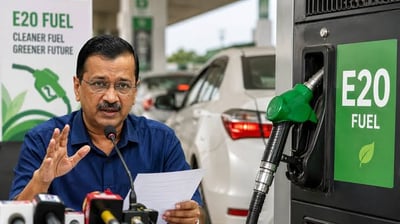
The unfolding political battle over fuel standards in the national capital has taken a dramatic turn as public opposition reaches the streets. On July 12 2026, Aam Aadmi Party national convenor Arvind Kejriwal made surprise visits to multiple petrol pumps and vehicle repair workshops across Delhi to directly evaluate the real world impact of 20 percent ethanol blended petrol, commonly known as E20 fuel. The former Chief Minister spent significant time interacting with local mechanics, examining disassembled vehicle engines, and listening to the intense grievances of everyday commuters. During these extensive field visits, motorists consistently expressed deep frustration over sudden mechanical failures, describing how their cars frequently broke down or required expensive crane towing services shortly after switching to the new fuel blend. Following his interactions, the political leader publicly declared that the middle class is highly distressed by the sudden nationwide mandate, as ordinary citizens face the double burden of shrinking vehicle mileage and mounting repair bills.
The ground level feedback collected during this public interaction paints a highly troubling picture for the automotive ecosystem in the region. Experienced mechanics at the service centers explained to the visiting team that they have seen an unprecedented surge in vehicles arriving with severe fuel injector blockages, premature fuel pump failures, and heavy carbon deposits. One specific vehicle owner shared that their late 2023 model sedan, which was technically certified by the manufacturer to handle ethanol blends, developed persistent engine knocking and starting issues. The visual evidence of corroded parts and long queues at workshops directly contradicts the smooth transition narrative presented by regulatory authorities. Motorists are particularly angry that they are forced to pay full premium prices for a fuel type that has a noticeably lower energy density, which naturally results in a substantial 10 to 15 percent drop in overall fuel economy. This drop forces regular office goers to refuel much more frequently, turning daily travel into a financial strain.
The escalating controversy reveals a massive disconnect between top level environmental policymaking and practical consumer protection on the ground. The central government and bodies like the Automotive Research Association of India strongly defend the rollout, citing massive savings on international crude oil imports and a cleaner environmental footprint. Furthermore, the Ministry of Petroleum recently released corporate servicing data from major manufacturers like Maruti Suzuki and Hero MotoCorp to argue that tens of millions of older vehicles are running smoothly without reporting any corrosion patterns. However, by aggressively forcing a single fuel option without maintaining pure petrol variants at the stations, the administration has left consumers completely defenseless against potential mechanical damage. The refusal of major auto manufacturing companies to provide absolute written guarantees regarding component replacement costs or mileage drops further proves that the financial risk of this policy has been shifted entirely onto the shoulders of the unsuspecting public.
This heated public confrontation is rapidly evolving into a major national policy debate regarding how green energy transitions should be executed. The opposition leadership has formally requested Prime Minister Narendra Modi to modify the current rigid distribution framework and ensure that multiple fuel variants, including traditional ethanol free options, are sold transparently at separate prices. While the long term environmental objectives of reducing carbon emissions are undeniably noble, implementing such a radical change without robust consumer safety nets risks turning the public against green initiatives entirely. The corporate sector remains visibly quiet, caught uncomfortably between government mandates and the visible anger of their own customer base. As the political temperature continues to rise ahead of regional elections, the administration must pause its public relations campaigns and urgently address the genuine mechanical anxieties of the motoring public to prevent a widespread consumer revolt.