
Bangladesh Garment Factory Closures Spread as Workers Demand Higher Minimum Wages to Survive Rising Costs
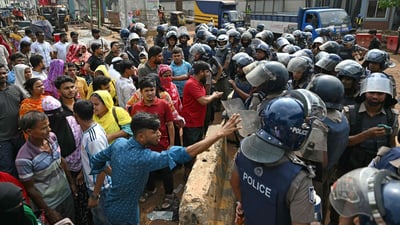
Hundreds of clothing factories across major industrial belts have shut their gates and stopped production after tens of thousands of sewing workers walked out to demand higher pay. Industrial zones that normally buzz with the steady noise of sewing machines, cutting tables, and packaging lines have gone quiet. Instead, streets in key manufacturing areas such as Gazipur, Ashulia, and Mirpur filled with workers gathering outside locked iron gates. Factory owners announced emergency closures under safety rules to protect their machinery and buildings, leaving vast manufacturing hubs frozen and world retail brands waiting anxiously for delayed shipments.
The story behind this massive shutdown begins inside the small homes of ordinary sewing operators who make clothes for the entire world. In Bangladesh, making clothes is not just a regular job, it is the economic lifeline of the entire country. Around four million people, mostly women from poor rural villages, work inside these large workshops. Every morning, long lines of workers walk down dusty alleys to begin ten-hour shifts making t-shirts, winter jackets, jeans, and dresses that end up on department store shelves across Europe and North America. Yet, the men and women who stitch these expensive garments say they cannot afford basic food for their children when the working day ends.
The main spark that set off the current wave of walkouts is the skyrocketing price of daily life. Over the past two years, the cost of essentials such as rice, lentils, cooking oil, eggs, and house rent has climbed dramatically. Workers say their monthly earnings disappear in the very first week of the month, forcing them to borrow cash from local money lenders just to buy vegetables and baby milk. The current legal minimum monthly pay is around twelve thousand five hundred taka, which equals roughly one hundred American dollars. With runaway prices eating away at their income, worker unions argue that a family simply cannot survive on this sum, demanding that the minimum wage be raised to thirty thousand taka, which is close to two hundred and forty dollars a month.
When peaceful pleas to factory managers went unanswered, frustration boiled over onto the public streets. Thousands of laborers left their sewing lines, gathered on main highways, and blocked truck routes that carry shipping containers to the seaport. In several places, angry crowds threw stones at factory windows and set fire to wooden pallets and parked transport vehicles to block security patrols. Police units in protective gear responded by firing tear gas canisters and sound grenades to push crowds back into residential quarters. Scores of protesters and law enforcement officers suffered minor injuries, and authorities took dozens of demonstrators into custody, further hardening feelings on both sides.
Fearing widespread destruction of expensive sewing machinery and storage warehouses, factory owners held urgent meetings and decided to shut down their sites entirely. By invoking special labor rules that permit managers to stop operations without paying daily wages during public unrest, hundreds of factory gates were locked with heavy chains. Production managers posted printed notices on external walls warning workers that entry was strictly forbidden until calm returned. For everyday laborers, this creates a terrifying bind: staying on strike risks losing their daily livelihood, but returning to work under existing wage rates means facing slow hunger at home.
The shutdown sends shockwaves far beyond national boundaries, reaching international fashion companies that depend heavily on cheap local production. Bangladesh stands as the second largest clothing exporter on the planet, trailing only China, and ships out nearly forty billion dollars worth of apparel every single year. Global clothing giants rely on these factories to fill orders ahead of major shopping seasons in Western countries. When assembly lines stop, containers miss their cargo ships, store shelves abroad risk going empty, and international buyers begin warning that they will move their future orders to other manufacturing nations like Vietnam, India, or Cambodia.
While international retailers express concern about delayed deliveries, labor rights advocates point out that global brands share direct responsibility for the crisis. Big Western fashion labels continuously demand lower production prices from local factory owners while selling finished shirts in European cities for twenty to fifty times the labor cost required to make them. Local factory owners argue that their profit margins are squeezed paper thin by foreign purchasing agents. They claim that unless global fashion brands agree to pay more for each shirt and pair of pants they buy, factories cannot afford to double worker salaries without shutting down permanently.
The crisis has also turned into a fierce political debate within the country. The national government set up a special wage review board to examine the financial situation and propose adjustments, but union leaders complain that official committees move far too slowly while inflation continues to burn a hole in household pockets. Meanwhile, state officials and business leaders have accused outside political groups of deliberately inflaming labor unrest to destabilize the broader economy, allegations that union organizers strongly deny, insisting that the anger on the streets is purely about hunger and unpayable bills.
For ordinary people living in industrial neighborhoods, the prolonged confrontation brings deep anxiety and daily hardship. Small corner shops, grocery stalls, and tea vendors that rely on factory workers for daily business report that their sales have crashed to almost zero. Families worry about getting evicted by landlords who show little patience for unpaid room rent. Community elders and worker representatives have urged both the government and factory owners to sit down at the bargaining table immediately, listen to the legitimate cries of the workforce, and find a realistic pay formula that allows families to live with basic human dignity.
The path forward requires urgent and honest cooperation between all three sides of the industry: the workers who provide the sweat, the factory owners who manage the businesses, and the wealthy international brands who profit from the trade. If the government and factory managements move quickly to offer a fair wage increase and genuine living security, the sewing machines will start humming again, goods will reach the ports, and millions of families will breathe a sigh of relief. But if the legitimate demands of the working class continue to be met with police batons and locked factory doors, the country runs the risk of damaging the very industry that built its modern economy.