
Delhi High Court rejects plea to lift entry ban on older outstation vehicles into capital
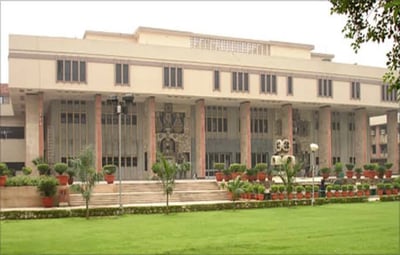
The Delhi High Court has firmly declined to halt the restriction that stops older vehicles registered in other states from driving into the national capital. The legal decision means thousands of private cars, transport vans, and regional taxis that do not meet the latest clean fuel criteria must turn back at border tolls. For daily commuters living in surrounding towns like Noida, Ghaziabad, Gurugram, and Faridabad, the ruling confirms that older engines will face heavy police checking and steep fines if caught past checkpoint barriers.
The core dispute revolves around older vehicle emission standards, particularly models built before the introduction of modern BS VI rules. These older vehicles, mostly BS III petrol and BS IV diesel cars, release far higher levels of dangerous smoke, unburnt fuel particles, and nitrogen oxide compared to modern engines. As cold winter air settles over the plains of north India, vehicle exhaust becomes trapped near ground level, creating a toxic layer of haze that harms school children, the elderly, and patients with lung diseases.
Judges handling the matter noted that urgent action is necessary to protect public health and control dangerous air pollution across the city. Lawyers representing vehicle owners and transport groups argued that stopping entry creates unfair economic hardship, disrupts passenger movement, and suddenly stops people from reaching jobs and hospitals in Delhi. However, the court maintained that cleaning the city air and protecting millions of citizens from poisonous air must take clear priority over private convenience.
The order directly impacts the busy border checkpoints that connect Delhi to neighboring states of Haryana and Uttar Pradesh. Hundreds of thousands of workers cross these borders twice every day for business, employment, and education. With the court refusing to stop the restriction, traffic police teams and transport department squads have intensified roadside stops at major entry points. Officers are actively verifying car registration certificates and turning back older petrol and diesel vehicles before they enter city roads.
Transport associations have expressed strong worry about the immediate fallout of this border regulation. Many tourist cab drivers, small logistics operators, and inter city car owners bought their vehicles just a few years ago under older legal standards. These owners argue that purchasing brand new clean engine cars on short notice is practically impossible without large financial support or bank loans. Many drivers now face loss of daily income as long as their vehicles remain barred from entering major commercial centers inside Delhi.
To help ease passenger trouble, local transport authorities are urging daily commuters to rely on regional public transit networks. Thousands of commuters are shifting toward the Delhi Metro, cross border bus routes, and suburban passenger trains to avoid border traffic jams and vehicle penalties. Metro stations situated near border points have recorded rising footfalls as drivers park their older vehicles in border lots and continue their journeys on electric rail lines.
Environmental groups and health doctors have welcomed the decision of the court, calling it an essential step to prevent air quality from dropping to emergency levels. Experts point out that vehicle exhaust contributes a very large portion of fine particulate dust in the capital city. Letting thousands of high polluting cars enter from outside every morning undoes the benefits of local anti pollution measures. Doctors insist that strict restrictions on older engines are necessary during peak winter months to prevent hospital wards from overflowing with breathing emergency cases.
Police officials have warned that any driver attempting to break the entry ban will face strict action under traffic laws. Vehicles caught slipping past border checkpoints without legal clearance face fines of up to twenty thousand rupees or immediate impounding. Border enforcement teams are setting up electronic license plate scanners and manual inspection booths to catch violators before they enter neighborhood roads.
The situation places growing attention on the need for uniform vehicle policies across the entire capital region. Experts point out that piecemeal restrictions at individual city borders will always cause confusion for drivers until neighboring state governments match Delhi rules with coordinated public transport systems and shared electric vehicle infrastructure.