
Bangladesh Rejects Sheikh Hasina Travel Document Request and Demands Extradition Instead of Passport
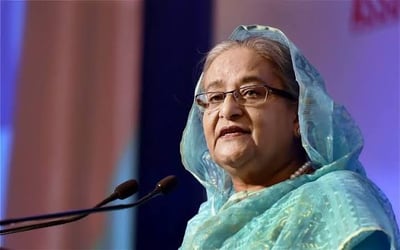
The government of Bangladesh has firmly turned down an application submitted on behalf of former Prime Minister Sheikh Hasina requesting fresh travel documents to return home. Officials in Dhaka dismissed the request in strong terms, stating that the nation does not provide passports to convicted criminals or individuals linked to state violence. The decision marks another bitter chapter in the political drama surrounding the ousted leader, who ruled the South Asian nation for fifteen years before being forced from power by mass protests. For millions of citizens watching from neighborhood markets and tea stalls, the sharp exchange shows that the political wounds from recent uprisings remain wide open.
The controversy began when legal representatives acting on behalf of the seventy-nine-year-old former leader approached the Bangladesh mission in New Delhi. Through a formal letter delivered by a legal firm, her lawyers requested the urgent issue of a new national identity card and passport. Her original travel papers had been canceled following her departure from the country, leaving her without official documentation. The legal team indicated that she required valid papers to travel back to her homeland, where she has expressed plans to return to face court proceedings.
Reaction from the current leadership in Dhaka was immediate and unyielding. The foreign ministry declared that issuing travel papers to an individual who has been convicted by a court of law is completely out of the question. Speaking directly to reporters, senior ministers stated that Hasina has been sentenced to death for crimes committed during the violent crackdown on street demonstrations and therefore qualifies as a fugitive criminal under the law. Authorities stressed that the only way she will enter the country is in handcuffs through official extradition proceedings, rather than arriving on a regular commercial flight with a state passport.
Legal officers in Bangladesh pointed out that national passport regulations explicitly forbid issuing travel documents to anyone who has been handed a prison sentence or capital punishment. Prosecutors tracking her legal cases announced that Hasina has exhausted normal administrative routes and must submit herself directly to the justice system. Government advisers further questioned the genuine intent of the application, suggesting that requesting a passport through outside legal firms was an attempt to create political noise rather than a sincere effort to stand trial.
The standoff has added fresh friction to diplomatic relations between Bangladesh and India. After leaving Dhaka on a military aircraft during the peak of student-led street rallies, Hasina found shelter across the border in India. Since her arrival, authorities in Dhaka have repeatedly called on New Delhi to hand her over under the bilateral extradition treaty signed between the two neighbors. Indian authorities have acknowledged receiving formal requests while emphasizing that legal frameworks, security concerns, and international conventions must be examined carefully before taking any formal steps.
Within Bangladesh, public reaction to her planned return remains deeply divided. Families of students and activists who lost their lives during street clashes demand that the former prime minister face immediate legal punishment. Many university groups have held public meetings warning against any political compromise, insisting that justice for lost lives must come before any reconciliation. On the other hand, loyal supporters of her political party argue that the legal trials were conducted in her absence without fair defense opportunities, claiming that she retains the basic right as a citizen to hold national identity papers.
Economic and civic life across Bangladesh is still recovering from the months of strikes, curfews, and factory shutdowns that accompanied the political upheaval. Garment factories, which earn the vast majority of the countrys foreign export money, are struggling to restore complete buyer confidence. Business owners and daily wage earners worry that renewed political clashes surrounding her possible arrival could spark fresh street blockades and transportation strikes. The interim administration has placed police forces and border patrols on high alert to prevent unexpected demonstrations or illegal border crossings.
As the standoff continues, the possibility of Hasina returning to Dhaka without valid travel papers appears increasingly complicated. While her political group maintains that she intends to return regardless of documentation hurdles, border security forces on both sides have tightened checkpoints along river crossings and land routes. For everyday citizens seeking economic stability, affordable food prices, and peace on the streets, the focus remains on building an orderly democracy that can move beyond past violence and establish steady governance for the future.