
Bangladesh Foreign Ministry Reviews Sheikh Hasina New Passport Request Following Official Travel Document Cancellation
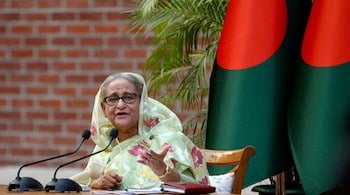
The sudden collapse of a political regime often brings dramatic personal and legal challenges for those who once stood at the highest levels of state authority. For years, powerful leaders travel the world freely with full state protocol, commanding extensive government machinery and holding special diplomatic privileges. Yet, when sweeping historical changes sweep across a country, those same leaders can find themselves stripped of basic travel papers and living in exile. In a major development drawing international attention across South Asia, official authorities in Dhaka confirmed that they are carefully scrutinizing a new application submitted on behalf of former leader Sheikh Hasina seeking the issuance of a fresh national passport.
The situation stems directly from the dramatic political shift that shook the nation when widespread student protests and street movements brought down the long ruling government. As massive crowds gathered outside official premises demanding immediate systemic change, the former prime minister made the hurried decision to resign from her post and leave the country by air, arriving in neighboring India to seek safety. Her unexpected exit in August 2024 brought a swift conclusion to fifteen uninterrupted years of political power, triggering widespread administrative reorganizations across all central departments and ministries in Dhaka.
Shortly after the departure of the former leader, the interim administrative authorities took prompt measures to review all official documentation granted during her tenure. Among the most immediate steps was the formal cancellation of red diplomatic passports that had been issued to the former prime minister, senior cabinet colleagues, and former lawmakers from the ruling party. Under national passport regulations, diplomatic travel booklets remain tied directly to the active holding of constitutional public office. Once an individual steps down or vacates their ministerial chair, the legal right to hold a privileged diplomatic document ends immediately.
Because her previous travel document was rendered invalid by official order, Sheikh Hasina found herself residing abroad without active travel papers. To resolve this legal gap, an application was recently moved through official diplomatic channels requesting the issuance of a standard citizen passport. While ordinary people take the possession of a regular passport for granted when traveling or identifying themselves abroad, an application from a deposed head of government presents sensitive legal, diplomatic, and security questions that administrative officers cannot handle as a routine matter.
Foreign ministry representatives in Dhaka confirmed that the formal appeal has reached their desks and is undergoing multi department assessment. Senior diplomats explained that approving or rejecting such a request does not depend purely on routine clerical checks. The foreign affairs office must work closely with the home ministry, national intelligence agencies, and government legal advisers to examine whether issuing a passport conforms with current legal proceedings, court directives, and national security interests. Officials emphasized that no rushed step will be taken without examining existing statutory laws governing travel documentation for citizens facing serious criminal inquiries.
A major consideration complicating the passport review is the long list of formal legal cases registered across domestic courts and police stations since the regime fell. Numerous criminal complaints, including charges related to public violence, human rights abuses, and excessive police action during the street demonstrations, have been filed against the former prime minister and her close administrative circle. Furthermore, investigative panels and judicial tribunals are reviewing numerous complaints regarding administrative corruption and arbitrary arrests. When an individual faces formal warrants or ongoing court summons, government authorities often place severe restrictions on their freedom to obtain international travel clearance.
Diplomatic relations between Dhaka and New Delhi also hang in a delicate balance around this issue. India provided safe temporary shelter to the former prime minister on humanitarian grounds following her urgent departure. However, public opinion in Bangladesh remains highly vocal, with several student organizations and political groups demanding her return to face domestic courts. If authorities in Dhaka grant a standard passport, it could theoretically allow the former leader to travel onward to a third country willing to provide political asylum. Conversely, withholding a passport leaves her legally stranded without independent international travel authorization.
The broader public across Bangladesh is following the passport review with keen interest. Citizens who took part in the massive street marches believe that equal justice must apply to everyone, regardless of past authority or political lineage. Everyday discussions in neighborhood tea stalls, universities, and public markets reflect strong feelings that no individual should receive special administrative leeway if serious legal questions remain unanswered before the law. Independent legal experts have pointed out that while every citizen holds a fundamental right to identity, governments routinely regulate passport distribution when serious criminal trials and sovereign accountability are at stake.
As foreign ministry officials continue their internal deliberations, the decision regarding the travel document will signal how the interim administration intends to handle unresolved questions surrounding the former leadership. For ordinary observers, the ongoing controversy serves as a stark reminder of how rapidly the wheel of fortune can turn in public life. The very individual who once directed the affairs of the entire nation must now wait for government clerks and legal officers to decide whether she can receive a simple booklet to prove her nationality and travel across borders.