
Bolivia Crisis Deepens As President Rodrigo Paz Declares Nationwide State Of Emergency To Clear Highway Blockades
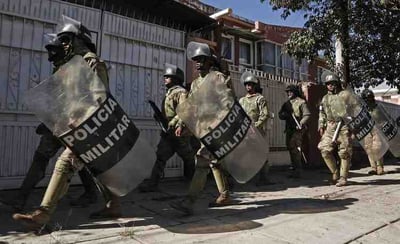
The geopolitical landscape of South America faces a severe disruption as Bolivian President Rodrigo Paz officially triggered emergency powers across the nation. The drastic political decision follows 50 days of relentless highway blockades and violent public demonstrations that completely choked the supply of food, essential medicine, and fuel to key urban centers, including the administrative capital of La Paz. The president announced this critical measure early Saturday morning during a live address, declaring that the gridlock was no longer a standard social protest but an organized movement designed to destabilize the democratic system. By implementing this decree, the executive administration has initiated the deployment of military forces alongside federal police to clear the highways by force and restore domestic transit.
The economic pressure point that sparked this massive public anger stems from aggressive fiscal changes introduced by the center right government. Seeking to shrink a massive national deficit and manage a critical scarcity of foreign currency reserves, the administration abruptly eliminated long standing fuel subsidies, which triggered rapid domestic inflation. Although the government later attempted to calm the public by stabilizing fuel prices and rolling back controversial land policies, the public fury transformed into a widespread movement demanding wage increases and the immediate resignation of the president. The strategy of total blockades, engineered primarily by rural organizations, indigenous factions, and labor sectors loyal to former socialist leader Evo Morales, effectively isolated major cities and caused massive commercial losses across the country.
While the executive mansion managed to sign a late temporary agreement with the primary trade union federation, the Bolivian Workers Confederation, to ease tensions, the peace attempt collapsed almost immediately. Radical rural factions and regional groups located near the central production hub of Cochabamba completely rejected the compromise, labeling the union agreement as a betrayal of their cause. The subsequent emergency decree bypassed conventional labor negotiations, granting security forces the right to enforce curfews and place strict limitations on public gatherings. Police caravans and military personnel equipped with heavy machinery began moving toward major highway blockades to clear piles of stone, timber, and debris that had halted commercial transport trucks for weeks.
The choice to deploy the military highlights the immense vulnerability of a state struggling to balance international economic demands with domestic stability. Implementing drastic economic adjustments without a broad political consensus frequently pushes marginalized rural populations to use severe disruptive tactics as their primary leverage against the state. The reliance on emergency powers may provide temporary physical access to blocked transportation routes, but it risks escalating the violence and deepening the political divide if the underlying economic scarcity is left unaddressed. The coming days will test the resilience of the administration as the decree heads to the national congress for review, while the divided nation watches to see if security forces can restore lasting order or if the enforcement will trigger an even greater backlash.