
India And United Kingdom Finalize Historic Trade Deal To Save Indian Firms 500 Million Dollars
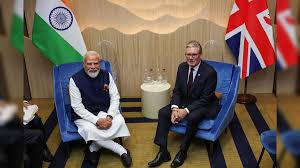
A major milestone in global economic diplomacy was achieved after the governments of India and the United Kingdom resolved their final trade disputes. The highly anticipated Comprehensive Economic and Trade Agreement alongside a landmark Double Contribution Convention will officially enter into force on July 15, 2026. This announcement follows a high level meeting between Indian Prime Minister Narendra Modi and British Prime Minister Sir Keir Starmer at the G7 Summit in Evian, France. The implementation of this treaty marks the end of 14 rounds of intensive bilateral negotiations that originally concluded in May 2025 but faced multiple administrative delays. By finalizing the implementation date, both nations are setting a clear path to double their total bilateral trade volume to 100 billion dollars by 2030, reshaping international commerce and strengthening economic ties between New Delhi and London.
The most financially significant aspect of this newly finalized package is a major revision to the companion bilateral social security pact. Under the updated terms of the Double Contribution Convention, the formal exemption period for temporary detached workers has been extended from 3 years to 5 years. Ministry of Commerce sources verify that this adjustment will successfully insulate 90 to 95 percent of temporary Indian professionals working in Britain from making dual insurance payments. Currently, more than 75,000 Indian professionals and over 900 active Indian companies operate within the British market, contributing roughly half a billion dollars annually to the United Kingdom social security infrastructure. Because British domestic regulations require 10 consecutive years of financial contributions before an individual can claim state pension benefits, temporary Indian workers previously lost thousands of dollars in non refundable wages. This strategic revision removes this double taxation burden completely, allowing companies to secure a certificate of coverage from New Delhi to bypass British national insurance deductions entirely.
The sudden finalization of this agreement came as a major surprise to global trade analysts after a fresh British regulatory update on steel imports threatened to collapse the entire framework. In May, the United Kingdom administration introduced universal steel safeguard measures designed to slash duty free import quotas by 60 percent and double tariffs on above quota imports to 50 percent starting July 1, 2026. Because these aggressive protectionist measures were introduced outside of the standard trade deal negotiations, New Delhi paused implementation proceedings to protect its domestic manufacturing sector. However, frantic last minute negotiations resulted in a balanced compromise just hours before the public announcement. Senior commerce officials revealed that 85 percent of India's 900 million dollar steel exports will remain entirely unaffected by the new safeguards, while the remaining 15 percent will be carefully protected through an intricate combination of country specific quotas and access under a specialized Authorised Use Scheme.
Ultimately, this comprehensive trade deal represents a massive victory for Indian macroeconomic strategy, although it introduces minor domestic competitive pressures that will require careful long term observation. By securing immediate duty free access across 99 percent of United Kingdom tariff lines, major Indian export engines like textiles, leather, engineering goods, and processed food can now expand into European markets with zero pricing disadvantages. Simultaneously, the phased reduction of luxury import tariffs within India, such as slashing Scotch whisky duties from 150 percent down to 75 percent initially, will provide local consumers with unprecedented global access. While certain domestic manufacturers worry that these tariff reductions might disrupt local market shares, the implementation of strict agricultural exclusion lists demonstrates that negotiators prioritized the safety of vulnerable rural economies. This balanced approach ensures that as India integrates further into the global marketplace, its foundational economic sectors remain heavily insulated from external import volatility.